
Lakshmi Stotram: A Comprehensive Guide (Updated April 28, 2026)
Accessing the Lakshmi Stotram in PDF format is readily available online, though verifying source authenticity is crucial due to varying digital copies;
Resources like stotra-sangrahah offer downloadable PDFs, but current commit retrieval is sometimes unavailable.
The Lakshmi Stotram is a revered hymn dedicated to Lakshmi, the Hindu goddess of wealth, prosperity, and auspiciousness. It’s a powerful devotional tool, deeply embedded in Vedic tradition, and widely recited by devotees seeking both spiritual growth and material well-being;
Digital accessibility has made the Lakshmi Stotram increasingly available in PDF format. Numerous websites host these digital versions, catering to a global audience eager to connect with this ancient prayer. However, the proliferation of online resources necessitates careful discernment regarding the authenticity and accuracy of the text.

PDF versions often include transliteration, translation, and sometimes even audio recitations, making the Stotram accessible to those unfamiliar with Sanskrit. Resources like stotra-sangrahah provide downloadable PDFs, though, as of April 28, 2026, accessing the latest commit can be intermittent. Understanding the Stotram’s origins and significance enhances the devotional experience, and the PDF format facilitates convenient study and practice.
What is a Stotram?
A Stotram, in its essence, is a hymn – a literary composition typically filled with praise and adoration directed towards a specific deity. Rooted in the Vedic tradition, stotras are often composed in Sanskrit and are characterized by their rhythmic verses and poetic language. They serve as a powerful medium for devotees to express their devotion and connect with the divine.
The Lakshmi Stotram, specifically, falls within this category, being a hymn dedicated to Goddess Lakshmi. Many individuals now access stotras, including the Lakshmi Stotram, through readily available PDF documents online. These PDFs offer convenience for study and recitation.
Digital formats, like PDFs sourced from sites such as stotra-sangrahah, allow for wider dissemination of these sacred texts. While accessibility is increased, it’s important to note that, as of April 28, 2026, retrieving the latest version of these PDFs isn’t always guaranteed. Stotras are more than just words; they are conduits of spiritual energy.
The Significance of Lakshmi

Goddess Lakshmi embodies prosperity, wealth, fortune, and beauty – both material and spiritual. She isn’t merely about financial gain; Lakshmi represents abundance in all aspects of life, including wisdom, love, and auspiciousness. Devotees seek her blessings for a fulfilling and harmonious existence.

The Lakshmi Stotram, a hymn dedicated to her, is considered a potent tool for invoking her grace. Increasingly, individuals are turning to digital resources, specifically PDF versions of the Stotram, for convenient access and study. Websites like stotra-sangrahah provide these downloadable PDFs.
However, accessing these digital texts requires discernment. As of April 28, 2026, consistent access to the most current PDF commits isn’t always possible. Despite this, the core significance of Lakshmi remains constant: she is the divine mother who nourishes and sustains the universe, and the Stotram is a pathway to connect with her energy.
Historical Origins of the Lakshmi Stotram
Tracing the precise historical origins of the Lakshmi Stotram proves challenging, deeply rooted in ancient Vedic traditions and evolving through centuries of oral transmission. While a definitive date remains elusive, its essence likely coalesced during the late medieval period, becoming a formalized hymn within the broader Stotra tradition.
The rise of devotional practices (Bhakti) significantly influenced its popularity. Today, the Stotram’s accessibility is greatly enhanced by digital formats, with numerous PDF versions circulating online. Resources like stotra-sangrahah offer these, though accessing the latest, verified commit can be intermittent as of April 28, 2026.
Despite the challenges in pinpointing its exact genesis, the Stotram’s enduring appeal speaks to its profound spiritual power. Its verses reflect a long lineage of devotion to Lakshmi, preserved and disseminated through both traditional methods and modern digital platforms like downloadable PDFs.
Authorship and Tradition
Attributing definitive authorship to the Lakshmi Stotram remains a subject of scholarly debate, often linked to the sage Durvasa, though concrete historical evidence is scarce. The hymn’s composition likely involved contributions from various devotees and seers over time, evolving within the vibrant tradition of Stotras.
Traditionally, Stotras were passed down orally, emphasizing memorization and accurate recitation. The advent of printing and now digital formats, like readily available PDFs, has broadened access. Websites such as stotra-sangrahah provide downloadable versions, though accessing the most current commit can be unreliable.

The tradition emphasizes the power of collective devotion, with the Stotram often recited in groups or during specific Lakshmi Pujas. The proliferation of PDF resources reflects a modern adaptation, allowing wider participation in this ancient practice, despite occasional access issues.
Different Versions of the Lakshmi Stotram
While a core text exists, variations of the Lakshmi Stotram circulate, differing slightly in verse order or inclusion of additional verses. These variations often stem from regional traditions or specific lineages of practice. Digitally, this manifests in multiple PDF versions available online.
The stotra-sangrahah website, for example, hosts a PDF, but its “latest commit” status is currently unstable, suggesting potential updates or differing versions exist elsewhere. Some PDFs may include transliteration, translations, or commentaries, adding to the diversity.
Careful consideration is needed when selecting a PDF, as subtle changes can impact the mantra’s efficacy according to some beliefs. Practitioners often prefer versions aligned with their guru’s teachings or a recognized sampradaya. The ease of digital distribution contributes to this proliferation of versions.
The Core Lakshmi Stotram Text
The fundamental Lakshmi Stotram comprises fifteen verses, a powerful hymn dedicated to the Goddess of wealth and prosperity. Obtaining a reliable PDF of this core text is the first step for devotees. Numerous websites offer downloadable PDFs, though verifying authenticity remains paramount.
The stotra-sangrahah website provides access, but intermittent issues with retrieving the latest commit highlight the dynamic nature of online resources. The verses, typically in Sanskrit, are often accompanied by transliteration in Roman script within these PDFs, aiding pronunciation.
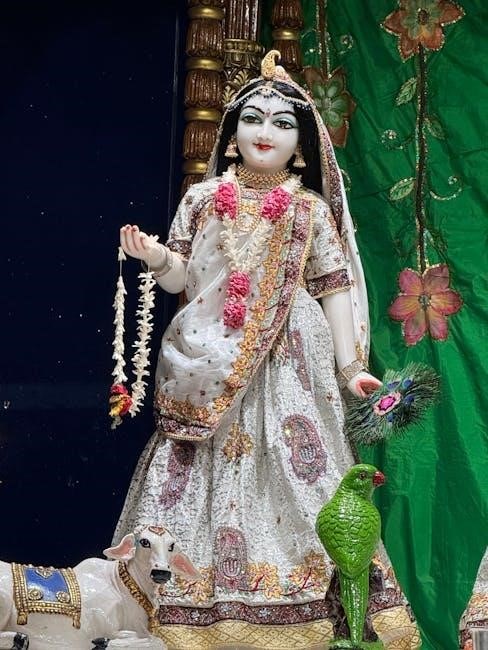
A standard PDF will present the verses sequentially, often with a brief introduction to the Stotram’s significance. Many versions also include a concluding offering or prayer. The consistent presence of these fifteen verses defines the ‘core’ text, despite variations in supplementary material found in different PDF versions.
Meaning of Key Verses (Verse 1-5)
PDF versions of the Lakshmi Stotram frequently include translations alongside the Sanskrit verses, unlocking their profound meaning. The initial five verses typically establish the divine qualities of Lakshmi, invoking her as the embodiment of auspiciousness and abundance.
Verse one often begins with praise for Lakshmi’s radiant beauty and her association with the lotus flower, symbolizing purity and spiritual awakening. Subsequent verses detail her role as the consort of Vishnu and the bestower of fortune. These PDFs often explain how Lakshmi’s blessings extend beyond material wealth.
The translations within these PDFs emphasize Lakshmi’s compassionate nature and her willingness to grant boons to sincere devotees. Understanding these initial verses is crucial, as they lay the foundation for the Stotram’s overall message of devotion and prosperity. Careful study of PDF annotations enhances comprehension.
Meaning of Key Verses (Verse 6-10)
PDF resources dedicated to the Lakshmi Stotram reveal that verses six through ten delve deeper into Lakshmi’s multifaceted nature and her connection to the cosmos. These verses often describe her presence in various realms and her influence on the cycles of creation and preservation.
Translations within these PDFs highlight Lakshmi’s power to remove obstacles and grant liberation from suffering. They emphasize her role as the mother of the universe, nurturing all beings with her divine energy. The verses frequently invoke her various names and epithets, each representing a specific aspect of her glory.
Detailed PDF commentaries explain how these verses encourage devotees to cultivate detachment from material possessions and focus on spiritual growth. They underscore the importance of selfless service and devotion as pathways to receiving Lakshmi’s grace; Studying these verses through PDF aids unlocks deeper understanding.
Meaning of Key Verses (Verse 11-15)
PDF analyses of the Lakshmi Stotram reveal verses eleven through fifteen often focus on the devotee’s plea for Lakshmi’s blessings and protection. These verses are characterized by humility and surrender, acknowledging the devotee’s dependence on divine grace.
Digital resources, like downloadable PDFs, explain how these verses describe Lakshmi’s compassionate nature and her willingness to respond to sincere prayers. They emphasize the importance of cultivating inner purity and devotion as prerequisites for receiving her blessings.
Commentaries within these PDFs highlight the transformative power of Lakshmi’s presence, capable of dispelling darkness and illuminating the path to liberation. They underscore the significance of chanting the Stotram with faith and devotion, allowing its vibrations to resonate within the heart. PDF study aids reveal these verses are a powerful invocation.
Benefits of Reciting Lakshmi Stotram
PDF guides detailing the Lakshmi Stotram consistently emphasize a wealth of benefits derived from regular recitation. These benefits span both spiritual and material realms, offering a holistic path to well-being. Many downloadable resources categorize these advantages for clarity.
Digital texts highlight the Stotram’s power to cultivate inner peace, enhance devotion, and foster a deeper connection with the divine feminine energy of Lakshmi; PDF commentaries suggest consistent practice refines the mind and promotes emotional stability.
Furthermore, these resources detail material benefits, including increased prosperity, abundance, and success in endeavors. The Stotram is believed to remove financial obstacles and attract auspicious opportunities. PDF versions often include testimonials and anecdotal evidence supporting these claims, making it a powerful practice.
Spiritual Benefits
PDF versions of the Lakshmi Stotram consistently underscore its profound spiritual advantages. Recitation cultivates Bhakti – unwavering devotion – towards Goddess Lakshmi, fostering a deeper connection with the divine feminine principle. Many downloadable guides emphasize this as a core benefit.
Digital commentaries within these PDFs explain how the Stotram purifies the mind, reducing negative thought patterns and promoting inner peace. Consistent practice is said to enhance self-awareness and spiritual discernment. It aids in detaching from worldly anxieties.
Moreover, the Stotram is believed to awaken dormant spiritual energies, leading to increased intuition and a heightened sense of purpose. PDF resources often link the verses to specific chakras, suggesting a pathway for energetic alignment. Ultimately, it supports the journey towards self-realization and liberation.
Material Benefits
PDF guides detailing the Lakshmi Stotram frequently highlight its potential to attract material prosperity. While emphasizing spiritual growth, they acknowledge the Goddess’s association with wealth and abundance. Recitation is believed to remove obstacles hindering financial success, as detailed in numerous downloadable resources.
These digital texts suggest the Stotram fosters a mindset of gratitude and attracts positive opportunities. Consistent practice is said to improve one’s ability to manage resources wisely and create wealth ethically. It’s not merely about acquiring riches, but cultivating a prosperous life.
Furthermore, PDF commentaries often link specific verses to overcoming debt and improving business ventures. The Stotram is seen as a powerful tool for manifesting desired outcomes in the material realm, promoting stability and security. However, it’s always advised to combine devotion with diligent effort.
Removing Obstacles and Negative Energies
PDF versions of the Lakshmi Stotram consistently emphasize its protective qualities, detailing how recitation can dispel negative energies. Many downloadable guides explain that the Stotram creates a vibrational shield, warding off misfortune and ill-intentions. This is often linked to Lakshmi’s role as a purifier.
Commentaries within these PDF resources suggest the Stotram’s verses dismantle obstacles blocking progress in various life areas. It’s believed to neutralize the effects of past karmic burdens and break free from limiting patterns. Regular chanting is presented as a powerful cleansing ritual.
Moreover, the Stotram is said to mitigate the influence of planetary afflictions, particularly those impacting wealth and well-being. PDF guides often recommend reciting the Stotram during challenging times to invoke divine intervention and restore harmony. It’s a tool for energetic clearing and positive transformation.
How to Recite Lakshmi Stotram
PDF guides dedicated to the Lakshmi Stotram consistently stress the importance of proper recitation for optimal benefits. Many downloadable resources detail the correct pronunciation of Sanskrit verses, often including transliterations and audio links for assistance. Clarity and devotion are key.
These PDFs typically recommend finding a quiet, clean space, facing East or North, before beginning. Some suggest a preliminary purification ritual, like bathing or lighting a lamp. Maintaining a respectful posture and focused mind are also emphasized.
Furthermore, guides outline varying recitation methods – from individual chanting to group participation. They often suggest using a mala (prayer beads) to count repetitions. PDFs also provide guidance on incorporating visualization techniques, imagining Lakshmi’s presence during the Stotram.
Proper Pronunciation
Lakshmi Stotram PDF resources universally highlight the critical role of accurate pronunciation in unlocking the Stotram’s power. Many downloadable guides include detailed transliterations, converting the Devanagari script into Roman characters for easier reading.
However, transliteration alone isn’t sufficient. PDFs often emphasize listening to recordings of native Sanskrit speakers reciting the Stotram, allowing for auditory learning and mimicking correct sounds. Attention is drawn to specific sounds unique to Sanskrit, like the nasal vowels and aspirated consonants.
Guides frequently break down verses into smaller phonetic units, providing guidance on each syllable. They also caution against common mispronunciations, offering corrections and explanations. Some PDFs even include phonetic charts to aid learners. Consistent practice, guided by these resources, is key to mastering the pronunciation.
Best Times for Recitation
Lakshmi Stotram PDF guides consistently recommend specific times for recitation to maximize its benefits. Dawn, particularly during the Brahma Muhurta (1.5 hours before sunrise), is considered exceptionally auspicious, fostering clarity and spiritual receptivity.
Evening recitations, especially during the twilight hours (Sandhya Kala), are also favored, believed to attract positive energies and dispel negativity. Fridays, dedicated to Goddess Lakshmi, are particularly potent days for Stotram practice.
PDF resources often suggest aligning recitations with Lakshmi Puja timings, enhancing the devotional aspect. Some guides mention the importance of reciting during specific lunar phases, like the Shukla Paksha (waxing moon), for increased prosperity. Consistency, however, is emphasized over strict adherence to timings; daily recitation, even for a short duration, is highly valued.
Frequency of Recitation
Lakshmi Stotram PDF materials frequently address the question of how often to recite this powerful hymn. While there’s no rigid rule, consistent practice yields the most significant results. Daily recitation is widely recommended, even if time constraints limit it to a single, mindful repetition.
Many guides suggest reciting the Stotram at least 11, 21, or 108 times, particularly during special occasions or for specific intentions. These numbers hold significance in Hindu numerology and are believed to amplify the mantra’s potency.
PDF resources also propose reciting the Stotram weekly, on Fridays, or during Lakshmi Puja. The key is to establish a sustainable rhythm that aligns with your lifestyle. Regularity, coupled with devotion, is more impactful than sporadic, lengthy recitations. Ultimately, the frequency should be determined by personal capacity and faith.
Lakshmi Stotram PDF Resources
Numerous online platforms offer the Lakshmi Stotram in PDF format, catering to devotees seeking convenient access to this sacred text. Stotra-sangrahah and stotras-pdf are frequently cited repositories, providing downloadable versions of the Stotram. However, users should exercise caution, as the availability of the latest commits can be intermittent, as noted on April 28, 2026.
Several websites dedicated to Hindu scriptures and mantras also host Lakshmi Stotram PDFs. These resources often include transliteration, word-by-word meanings, and audio pronunciations, enhancing the learning experience. Digital libraries and online bookstores may also carry digital copies.
It’s crucial to prioritize reliable sources to ensure the authenticity and accuracy of the text. Always verify the PDF’s origin and compare it with established versions before incorporating it into your practice.
Reliable Sources for PDF Downloads
Identifying trustworthy sources for Lakshmi Stotram PDFs is paramount to ensure accurate recitation and understanding. Stotra-sangrahah, despite occasional commit retrieval issues as of April 28, 2026, remains a frequently recommended platform. Archive.org often hosts scanned versions of traditional texts, offering a historical perspective.
Websites affiliated with established Hindu organizations and temples generally provide verified PDFs. Look for sources with clear copyright information and a reputation for scholarly accuracy. Sanskrit learning institutions may also offer downloadable resources as part of their educational materials.
Beware of unofficial websites or those with excessive advertising, as these may contain errors or altered versions of the Stotram. Cross-referencing with multiple sources is always advisable to confirm the text’s integrity before use in spiritual practice.
Verifying Authenticity of PDFs
Ensuring the Lakshmi Stotram PDF you’re using is authentic is crucial for accurate recitation and deriving its benefits. Compare the downloaded PDF with known, reputable online versions – stotra-sangrahah, when accessible, can serve as a baseline.
Check for completeness; a genuine Lakshmi Stotram PDF should include all verses and any accompanying explanatory notes. Look for consistent formatting and the absence of unusual characters or errors, which can indicate tampering. Verify the transliteration scheme used (e.g., IAST) is standard and consistent throughout.
Consider the source’s reputation. PDFs from established religious organizations or academic institutions are generally more reliable. If possible, consult with a Sanskrit scholar or experienced practitioner to validate the text’s accuracy before incorporating it into your spiritual practice.
Different Languages Available (PDFs)
While the original Lakshmi Stotram is in Sanskrit, numerous PDF versions offer translations and transliterations in various languages to facilitate wider accessibility. Commonly available translations include English, Hindi, Tamil, Telugu, and Kannada, catering to diverse linguistic backgrounds.
PDFs often present the Sanskrit verses alongside their English or regional language equivalents, aiding comprehension and correct pronunciation. Some resources provide PDFs with word-by-word meanings, enhancing the learning experience for those unfamiliar with Sanskrit. However, the quality of translations can vary significantly.
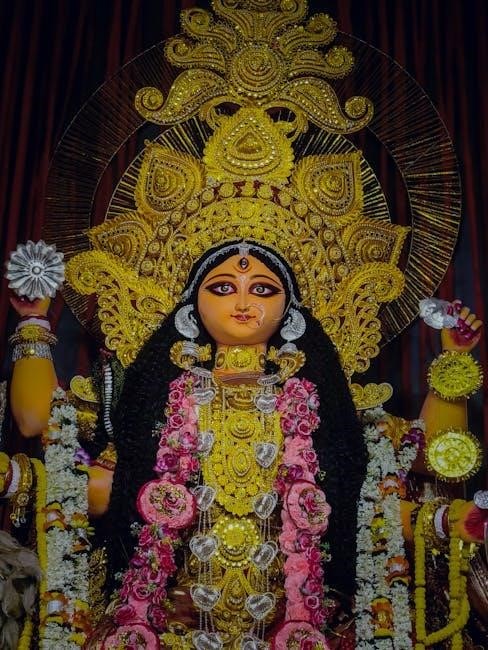
It’s advisable to prioritize PDFs from reputable sources and, if possible, cross-reference translations with multiple versions to ensure accuracy. Be mindful that transliterations may differ slightly depending on the chosen scheme. Always prioritize understanding the core meaning over literal translation.
Lakshmi Stotram and Associated Rituals
The Lakshmi Stotram frequently accompanies puja (worship) rituals dedicated to Goddess Lakshmi, enhancing the devotional atmosphere. PDF versions of the Stotram are often utilized during these ceremonies, serving as a guide for chanting and offering prayers. Many practitioners incorporate the Stotram into daily worship routines, alongside other Lakshmi mantras and hymns.
Rituals often involve offering flowers, incense, and sweets to the deity while reciting the Stotram. The Stotram’s verses are believed to invoke Lakshmi’s blessings for prosperity and well-being. PDF resources sometimes include suggested puja procedures and visualizations to deepen the spiritual experience.

Furthermore, the Stotram is frequently combined with the worship of the Lakshmi Yantra, a geometric representation of the goddess. Using a PDF for guidance ensures correct recitation during these combined practices, maximizing their efficacy. Devotees often download and print PDFs for convenient use during rituals.
Puja Practices with Lakshmi Stotram
Lakshmi puja, or worship, is significantly enhanced by incorporating the Lakshmi Stotram, often guided by readily available PDF versions. These PDFs frequently detail the specific steps of the puja, including the arrangement of offerings and the sequence of mantras. Practitioners often print these PDFs for use during the ceremony, ensuring accurate recitation.
A typical puja involves establishing a sacred space, invoking Lakshmi’s presence, and offering flowers, incense, and sweets. The Lakshmi Stotram is then recited, either individually or collectively, creating a resonant devotional atmosphere. PDF guides may suggest specific timings and visualizations to amplify the ritual’s power.
Many devotees utilize the PDF to follow along, understanding the meaning of each verse as they chant. This practice deepens their connection with the goddess and enhances the overall spiritual experience. The Stotram’s verses are believed to purify the surroundings and attract positive energy.
Combining with Other Lakshmi Mantras
Devotees frequently integrate the Lakshmi Stotram with other potent Lakshmi mantras for a synergistic spiritual effect, often referencing PDF guides for proper sequencing. These PDF resources often suggest combining the Stotram with the Lakshmi Beej Mantra (“Om Shreem Mahalakshmyai Namaha”) to amplify prosperity and abundance.
A common practice involves reciting the Beej Mantra a specific number of times – often 108 – before commencing the Lakshmi Stotram, as detailed in some PDF versions. Alternatively, verses from the Stotram can be interspersed with repetitions of the Beej Mantra, creating a rhythmic and powerful devotional flow.

Furthermore, the Lakshmi Gayatri Mantra can be added to the practice, enhancing the purification and illuminating aspects of the worship. PDF documents often provide structured routines for combining these mantras, catering to different levels of spiritual practice. Utilizing these resources ensures a harmonious and effective devotional experience.
Lakshmi Yantra and its Relation to the Stotram
The Lakshmi Yantra, a geometric representation of the goddess’s energy, is profoundly linked to the recitation of the Lakshmi Stotram, with detailed guidance often found in PDF guides. These PDF resources illustrate how focusing on the Yantra during Stotram recitation intensifies the mantra’s power, creating a focused meditative state.
Traditionally, devotees place a Lakshmi Yantra before them while reciting the Stotram, visualizing the goddess’s presence within the Yantra’s intricate design. Some PDFs recommend consecrating the Yantra before use, imbuing it with sacred energy through specific rituals.
The Yantra acts as a visual anchor, aiding concentration and facilitating a deeper connection with Lakshmi’s divine vibrations. PDF instructions often detail the correct placement of the Yantra in relation to the devotee and the direction of recitation. Combining the Stotram with Yantra worship is believed to accelerate spiritual growth and manifest abundance.
Lakshmi Stotram in Modern Practice
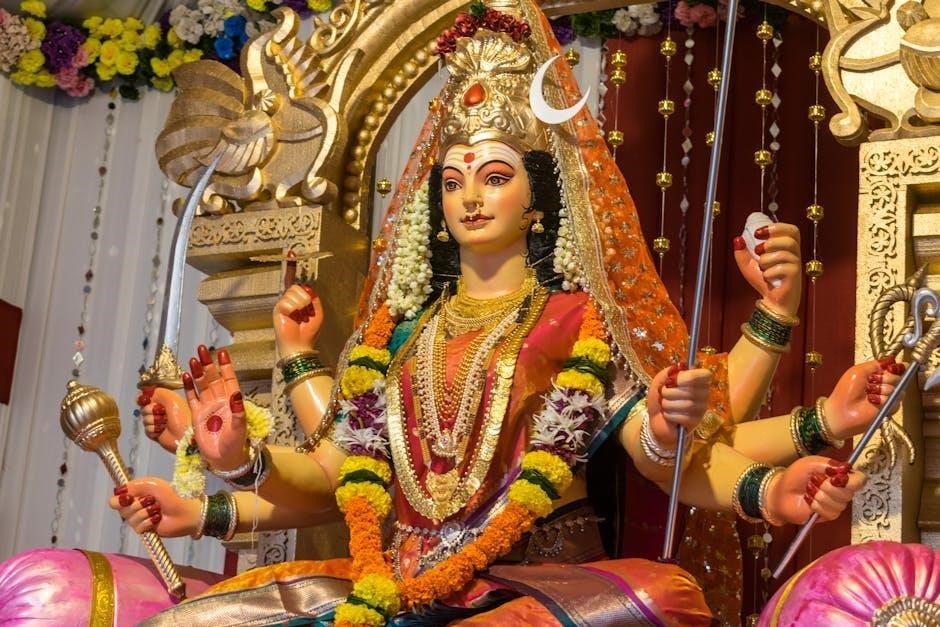
Today, the Lakshmi Stotram continues to thrive, largely facilitated by the accessibility of PDF versions online. Digital formats allow for widespread dissemination, enabling devotees globally to incorporate this ancient hymn into their daily routines. Many utilize PDFs on smartphones and tablets for convenient recitation during commutes or breaks.
Online communities and forums dedicated to Hindu spirituality frequently share and discuss various PDF editions of the Stotram, offering interpretations and pronunciation guides. Social media platforms also host groups where individuals collectively recite the Stotram, fostering a sense of shared devotion.
Despite the convenience of digital access, the importance of authentic PDF sources remains paramount. Modern practitioners often combine traditional recitation with contemporary practices like guided meditations, utilizing the Stotram as a focal point for manifesting prosperity and well-being.