
What is Cervical Stabilization?
Cervical stabilization focuses on strengthening deep neck muscles to support the cervical spine, improve posture, and reduce pain. It involves controlled, low‑load exercises that target the longus colli, multifidus, and scapular stabilizers, enhancing joint stability. It improves and reduces strain.
Definition and Core Principles
Cervical stabilization is a targeted therapeutic approach that strengthens the deep musculature surrounding the neck to enhance joint stability, reduce pain, and improve functional movement. The core principles center on controlled, low‑intensity contractions of the longus colli, multifidus, and accessory scapular muscles while maintaining neutral cervical alignment. By engaging these stabilizers in isolation, the technique promotes proprioceptive feedback, neuromuscular coordination, and segmental control. Progression is guided by pain tolerance, range‑of‑motion limits, and the ability to sustain isometric holds without compensatory movements. A typical protocol begins with seated or supine isometric holds, advancing to dynamic, functional tasks such as resisted head lifts or scapular retractions. The goal is to build endurance and strength in the deep neck flexors and extensors, thereby reducing reliance on superficial musculature and preventing maladaptive patterns that contribute to chronic neck discomfort. Evidence from biomechanical studies shows that improved cervical stability decreases shear forces on facet joints and mitigates disc loading, which can translate into long‑term pain relief and better postural outcomes. In practice, patients often use printable PDF guides that outline step‑by‑step instructions, illustrative diagrams, and progression charts to ensure consistency and safety during home exercise programs;
These printable PDFs often include diagrams, progression charts, and safety tips, allowing patients to perform exercises home while tracking progress. The structured format helps clinicians monitor adherence and adjust difficulty as needed.

Clinical Relevance
Cervical stabilization exercises target neck pain, improve posture, and reduce injury risk. PDFs guide patients through graded protocols, ensuring safe progression. Clinicians use them to assess function, track recovery, and customize interventions for chronic cervical disorders. They also support ergonomic workstations. They aid posture.!!
Common Neck Conditions Targeted
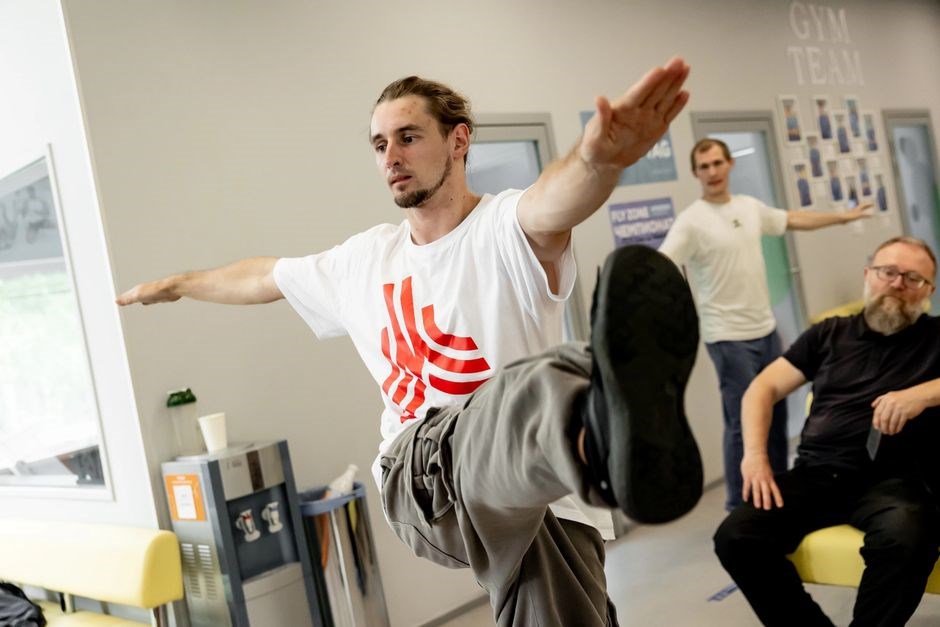
Cervical stabilization exercises address a spectrum of neck disorders that compromise spinal integrity and function. The most frequently encountered conditions include:
- Chronic cervicogenic headache – pain radiating from the upper cervical spine, often linked to muscle imbalance and joint hypomobility;
- Myofascial trigger points in the upper trapezius and levator scapulae – localized muscle tightness that can be relieved through deep‑neck activation and scapular re‑education.
- Whiplash‑associated disorders – post‑traumatic instability and altered proprioception that benefit from graded core and scapular drills.
- Degenerative cervical spondylosis – progressive disc loss and osteophyte formation where strengthening the deep stabilizers can reduce load on the facet joints.
- Postural kyphosis and forward head posture – excessive anterior head translation that is corrected by reinforcing the longus colli and multifidus.
- Recurrent neck strain in athletes and manual laborers – repetitive loading that is mitigated by a robust cervical‑core link.
- Rotator cuff strain with cervical involvement – shoulder impingement that can be alleviated by cervical‑scapular coordination exercises.
- Post‑operative cervical spine rehabilitation – structured progression to restore stability after fusion or disc replacement.
- Whiplash‑associated dizziness – vestibular‑neck coupling deficits addressed through cervical‑core stabilization.
- Upper cervical facet joint pain – targeted isometric holds to reduce joint loading.
These conditions show cervical stabilization’s benefits.
It supports recovery.
Heals.
Essential Exercises
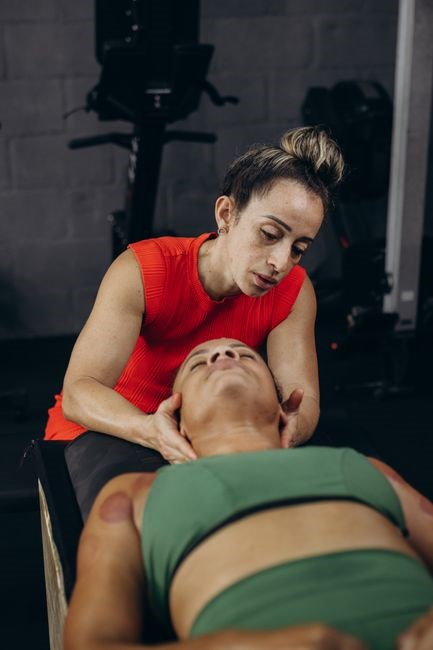
Key movements include isometric chin tucks, prone neck flexion, scapular retraction drills, and dynamic balance tasks. Each exercise targets deep cervical flexors, multifidus, and scapular stabilizers, improving proprioception and load distribution. Fit. for daily life.
Scapular and Core Activation Patterns
In cervical stabilization, the synergy between scapular positioning and core integrity is paramount. Start by establishing a neutral spine: align the ears over the shoulders, keep the shoulders relaxed yet engaged, and gently retract the scapulae to activate the rhomboids and middle trapezius. While maintaining this scapular retraction, engage the deep core by drawing the belly button toward the spine, tightening the transversus abdominis, and lifting the pelvic floor—this creates a “core‑scapular bridge” that stabilizes the thoracic cage and provides a solid base for cervical movement.
To further refine scapular control, incorporate the “scapular retraction drill” on a wall: stand with feet shoulder‑width apart, place forearms on the wall, and slowly retract the scapulae while keeping the elbows at a 90‑degree angle. This exercise isolates the scapular retractors and encourages a stable thoracic spine. For core depth, practice the “dead‑bug” variation: lie on the back, lift the opposite arm and leg, and maintain a neutral pelvis while keeping the scapulae retracted. This dual‑task exercise challenges both the deep cervical flexors and the core stabilizers simultaneously. As proficiency increases, add light resistance bands around the shoulders to increase load on the scapular retractors without compromising core tension. Remember to breathe evenly, exhaling during exertion and inhaling during relaxation, to support intra‑abdominal pressure and maintain spinal stability. Always monitor for any shoulder elevation or neck strain; if present, reduce resistance or revert to a simpler position. Over time, these patterns translate into improved posture, reduced neck pain, and a lower risk of injury during daily activities or athletic pursuits.
When advancing, integrate light resistance bands or a weighted vest to increase load on the scapular retractors while maintaining core tension. Add a “cervical‑core plank” where the head is slightly flexed, and the chin is tucked, ensuring the cervical flexors engage. Use a metronome to pace the movement, aiming for 3–5 seconds per contraction. This rhythmic control reinforces proprioceptive awareness and improves endurance of the deep stabilizers. Consistent daily practice improves neck endurance and functional capacity.

Progression Strategy
Start with low‑load, controlled cervical flexion/extension. Once 3 sets of 10 reps are pain‑free, add light resistance bands. Progress to dynamic movements, then incorporate core‑scapular drills. Monitor pain, maintain form, and increase load by 5% weekly.Progression is slow
Criteria for Advancement and Intensity

Advancement is based on pain‑free performance, stable form, and endurance. Progress when you can do 3 sets of 10 reps with minimal fatigue, hold 90‑degree flexion without head lift, and keep scapula depressed. Increase by adding 1–2 lb of resistance, extending hold to 10 seconds. A 5‑percent load rise per week is safe if posture remains correct. With bands, start low‑tension, then medium, then high, ensuring no snap. Frequency can rise from 2 to 4 days per week only after stability. Volume may grow by adding an extra set, but total reps should stay below 40 per session. Time under tension should be 2–3 seconds per contraction, and speed should stay slow to moderate. Core activation must be present; if abdominal muscles are not engaged, reduce load. Functional integration—neck‑stabilized push‑ups signals readiness for advanced phases. All changes require clinician assessment reported pain levels. Progression should be individualized based on readiness.
- Stability Threshold: 3 consecutive sessions pain‑free with correct form.
- Endurance Benchmark: 10‑second hold per contraction without tremor.
- Load Tolerance: Increase resistance only if 12 reps are pain‑free.
- Functional Readiness: Perform a cervical‑stabilized push‑up with 5‑second hold.
- Patient Feedback: Pain score < 2 on a 0–10 scale during and after exercise.
Document each metric weekly; plateau if any criterion fails. When moving to high‑intensity drills, use eccentric loading by lowering the head over 3–4 seconds and add unilateral neck extensions. Monitor for over‑use signs—neck stiffness or headaches, and adjust load. Progression balances challenge and safety, guided by objective metrics and subjective comfort.
Common Mistakes

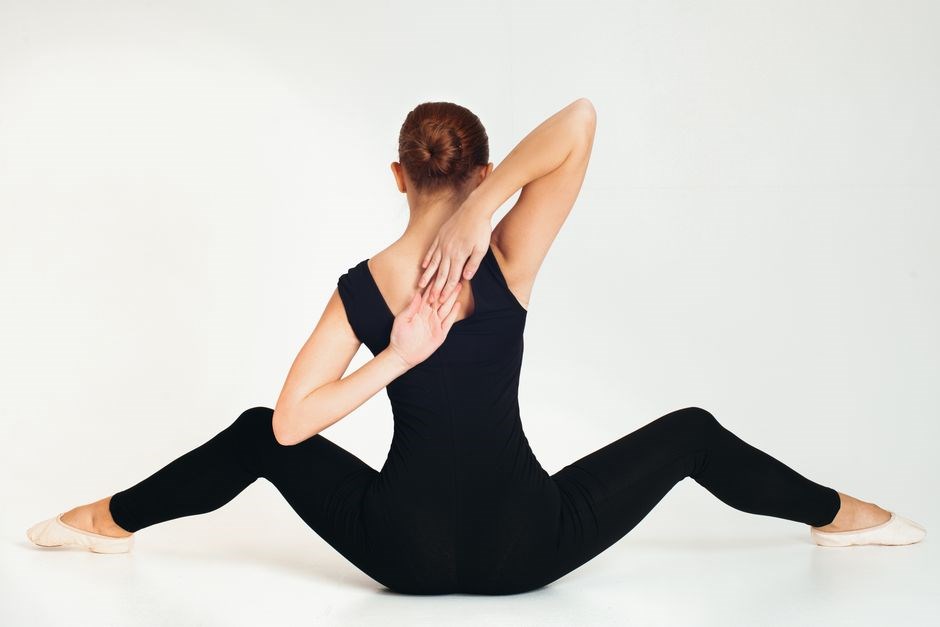
Common errors include jerky head movements, over‑extension, neglecting scapular retraction, and using heavy weights that compromise form. Many skip core engagement, leading to compensatory lumbar strain. Ignoring pain thresholds or progressing too fast also heightens injury risk. and breathe deeply.
Misalignment and Overuse Risks
Misalignment in cervical stabilization can arise when the head is repeatedly positioned in a forward‑leaning or rotated posture during exercises, especially if the patient’s baseline posture is already compromised. Over‑use risks surface when the program emphasizes high‑frequency repetitions or prolonged static holds without adequate rest, leading to muscle fatigue, tendon irritation, and joint micro‑trauma. A common culprit is the failure to integrate scapular retraction and core bracing, which shifts load onto the upper thoracic spine and can cause compensatory lumbar flexion. Additionally, using excessive resistance or advancing too quickly without confirming proper technique can overload the deep cervical flexors, causing strain and inflammation. Patients with pre‑existing cervical spondylosis or whiplash injuries are particularly vulnerable; repetitive micro‑trauma may accelerate disc degeneration or exacerbate nerve root compression. To mitigate these risks, clinicians recommend progressive loading, strict form checks, and monitoring for pain or stiffness. Incorporating proprioceptive cues, such as “neutral neck” and “soft‑tissue glide,” helps maintain alignment. Regular reassessment of posture and muscle balance ensures that the stabilization program remains safe and effective, preventing chronic misalignment and overuse injuries that could otherwise lead to long‑term disability.
Clinicians emphasize dynamic cervical drills that avoid static hyperextension or hyperflexion. Rapid head rotations or forceful chin‑to‑chest movements without a neutral base risk facet joint subluxation. Neglecting neck alignment during tasks—like lifting or prolonged screen use—perpetuates faulty mechanics, causing chronic strain. Adding balance and vestibular exercises enhances proprioception, improving load distribution across the cervical musculature.
Reassessment ensures safe progress and prevents chronic misalignment and pain daily.

Safety and Contraindications
Patients with acute cervical trauma, severe osteoporosis, or cervical instability should avoid stabilization exercises. Contraindications include uncontrolled hypertension, recent surgery, or active infection. Always seek professional guidance before starting the program. Seek review if pain persists
When to Refer or Modify
Referral or modification decisions hinge on patient response, symptom severity, and underlying pathology. If pain escalates beyond baseline, radiating to the arm, or is accompanied by numbness, weakness, or tingling, a clinician should consider imaging and specialist input. Persistent or worsening vertigo, headaches, or dysphagia also warrant evaluation. When a patient exhibits signs of cervical instability—such as a sudden loss of neck control, a history of fracture, or a known ligamentous laxity—exercise prescription must be altered or halted until a comprehensive assessment is completed. Additionally, if a patient reports increased muscle spasm, a sharp increase in pain during or after exercise, or a new onset of headaches, the program should be paused and reassessed. Modifications are also necessary for those with high cervical spine curvature, prior surgery, or significant osteoarthritis, as standard exercises may aggravate joint degeneration; For individuals with systemic conditions like uncontrolled diabetes or autoimmune disorders that impair healing, a more conservative approach is advised. Finally, if a patient’s functional goals shift—such as returning to high‑impact sports or occupational demands—exercise intensity and complexity should be progressively adjusted under professional supervision. In all cases, clear communication, regular monitoring, and documentation are essential to ensure safe progression and timely referral when needed.
Clinicians should also monitor for signs of fatigue, dizziness, or changes in gait, as these may indicate systemic involvement. A multidisciplinary approach, including physiotherapy, occupational therapy, and pain management, often yields the best outcomes for complex cases. Regular follow‑up ensures early detection of complications and allows for timely adjustment of the rehabilitation plan. education is vital

Finding Reliable PDFs
Reliable PDFs come from peer‑reviewed journals, university repositories, and professional societies. Search PubMed, Google Scholar, or the National Library of Medicine. Verify author credentials, publication date, and citation metrics before downloading. Download from official sites to avoid bias!!
Trusted Sources and Libraries
When searching for cervical stabilization exercise PDFs, prioritize peer‑reviewed repositories and institutional archives. Reputable sources include the National Center for Biotechnology Information (NCBI) PubMed Central, where full‑text PDFs are freely available and indexed by medical journals. The American Physical Therapy Association (APTA) offers a digital library of evidence‑based guidelines and exercise protocols, many of which are downloadable as PDFs. University libraries, such as those at Harvard, Stanford, and the University of Michigan, provide open‑access collections through their digital repositories, often including theses and dissertations on neck rehabilitation. Professional societies like the International Society of Physical and Rehabilitation Medicine (ISPRM) and the European Society for Clinical and Economic Aspects of Osteoporosis, Osteoarthritis and Musculoskeletal Diseases (ESCEO) host conference proceedings and position statements in PDF format. Additionally, the Cochrane Library supplies systematic reviews that frequently contain appendices with exercise protocols. For clinicians seeking validated materials, the Agency for Healthcare Research and Quality (AHRQ) publishes practice guides with downloadable PDFs. Verify the PDF originates from a recognized institution or peer‑reviewed journal to ensure accuracy and relevance. Clinicians should cross‑reference with the latest systematic reviews to maintain evidence‑based practice and patient safety and outcomes!!