
The Nikon F, a cornerstone of 35mm photography, deserves a comprehensive guide for enthusiasts seeking to master its capabilities.
This manual delves into the camera’s history, system components, and practical usage, offering insights gleaned from decades of user experience and accessory evolution.
From lens compatibility discussions to metering techniques, this resource aims to unlock the full potential of this iconic and enduring photographic instrument.
Historical Significance of the Nikon F
The Nikon F, introduced in 1959, represents a pivotal moment in camera history, fundamentally altering the landscape of 35mm photography. Prior to its arrival, rangefinder cameras dominated the market, but the Nikon F boldly championed the Single Lens Reflex (SLR) design, offering a direct view through the taking lens.
This innovation, coupled with its robust build quality and interchangeable lens system, quickly established the Nikon F as a professional standard. It became a favored tool for photojournalists, particularly during the Vietnam War, earning a reputation for reliability and performance in demanding conditions.
The camera’s enduring legacy extends beyond its initial success; it laid the foundation for Nikon’s subsequent F-mount lens system, which remains in use today. Discussions surrounding the Nikon F often highlight its influence on camera design and its role in democratizing high-quality photography, inspiring generations of photographers with its capabilities and adaptability;
Overview of the Nikon F System
The Nikon F system is defined by its interchangeable lenses and modular accessories, creating a highly adaptable photographic platform. Initially, Nikon offered a range of lenses, including the 50mm f/2, 85mm f/1.5, and 135mm f/3.5, all designed for the F-mount. These early lenses, while lacking automation, delivered exceptional optical quality.
Over time, the system evolved with the introduction of AI and AI-S lenses, incorporating aperture indexing for improved metering compatibility. The ability to adapt modern lenses, though requiring adapters, further expands the system’s versatility.
Beyond lenses, the Nikon F accepted a variety of finders, including the Photomic finder for through-the-lens (TTL) metering, and motor drives for rapid shooting. Accessories like tripods and filters enhanced functionality, solidifying the Nikon F as a complete and customizable photographic solution, celebrated for its longevity and enduring appeal.
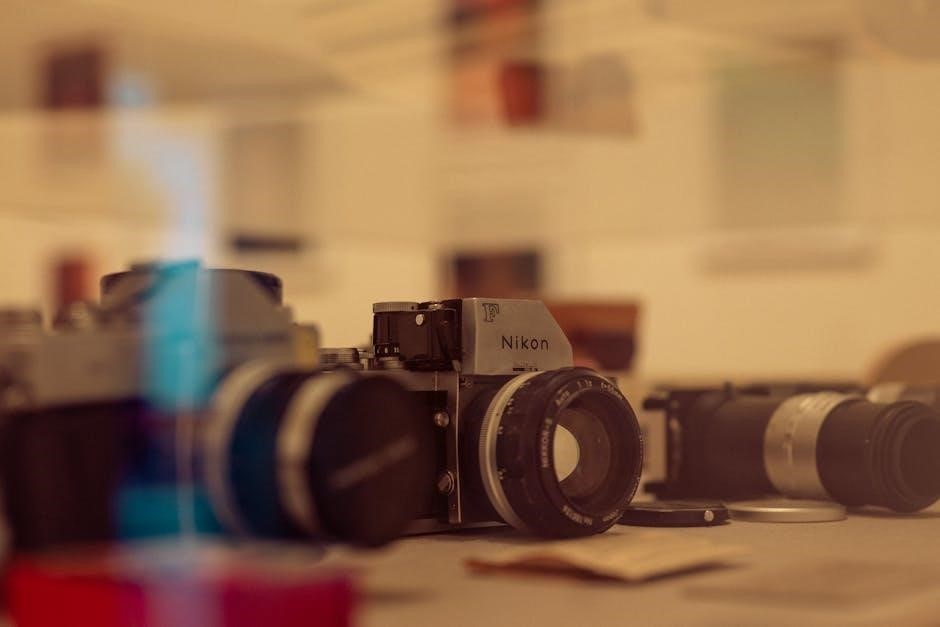
Understanding the Nikon F Body
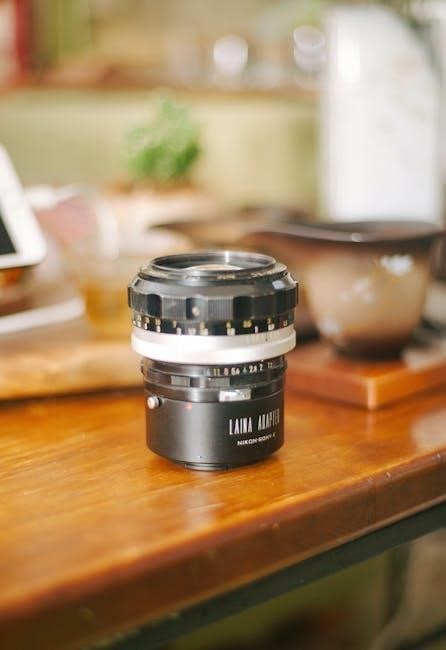
The Nikon F’s robust, mechanical design prioritizes durability and reliability, offering a tactile shooting experience. Its core components—viewfinder, film advance, and body—work in harmony.
Key Features and Specifications

The Nikon F, introduced in 1959, revolutionized 35mm photography with its modular design and extensive accessory system. This camera features a horizontally traveling focal plane shutter, offering speeds from 1 second to 1/1000th of a second, plus Bulb (B) setting.
It accepts Nikon F-mount lenses, initially non-AI, but adaptable to later iterations. The camera body is constructed from a durable aluminum alloy, ensuring longevity. The standard Nikon F utilizes a removable film back, simplifying film loading and unloading.
Notably, the original Nikon F lacks a built-in light meter; external metering or the optional Photomic finder are required for accurate exposure. Its dimensions are approximately 147;5mm (W) x 106.5mm (H) x 86mm (D), and it weighs around 745g without a lens. The camera’s mechanical operation provides a unique and engaging shooting experience, favored by many film photographers.
The Nikon F Viewfinder and Focusing Screen
The Nikon F’s viewfinder presents a bright, albeit not exceptionally large, view of the scene. It offers approximately 93% coverage, meaning the final image will include slightly more than what’s visible through the viewfinder. The standard focusing screen features split-image and microprism collar for precise manual focusing, crucial for achieving sharp results with Nikon F lenses.
Different focusing screen options were available, catering to various shooting preferences. These screens could enhance brightness or prioritize different focusing aids. The viewfinder also displays shutter speed information when used with a Photomic finder, aiding in exposure determination.
Care should be taken when cleaning the focusing screen to avoid damage. The overall viewfinder experience is characterized by its clarity and direct connection to the photographic process, emphasizing the tactile nature of film photography.
Film Advance and Rewind Mechanisms
The Nikon F employs a robust, single-stroke film advance lever, requiring a deliberate motion to move the film forward. This mechanism is known for its reliability and smooth operation, contributing to the camera’s overall durability. After each exposure, the lever is fully stroked to advance the film and cock the shutter.
Rewinding the film is accomplished via a rewind crank located on the top plate. The process is straightforward, though it requires a consistent speed to avoid potential film tearing. The camera features a manual rewind release button, essential for opening the back once the film is fully rewound.
Proper film loading and rewinding techniques are vital for preserving the integrity of your images. Regular maintenance ensures these mechanisms continue to function flawlessly, allowing for years of dependable use.
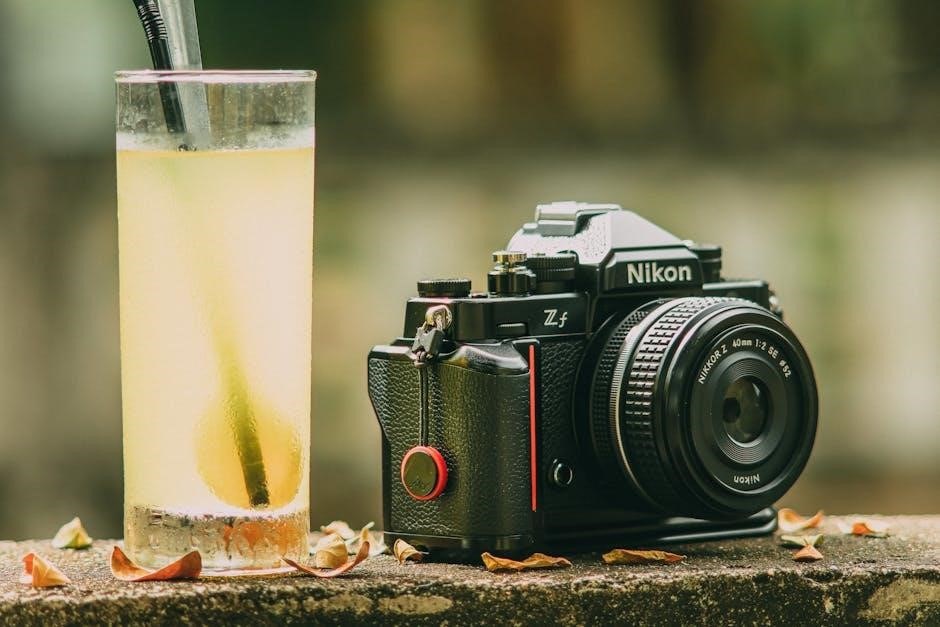
Nikon F Lenses and Compatibility
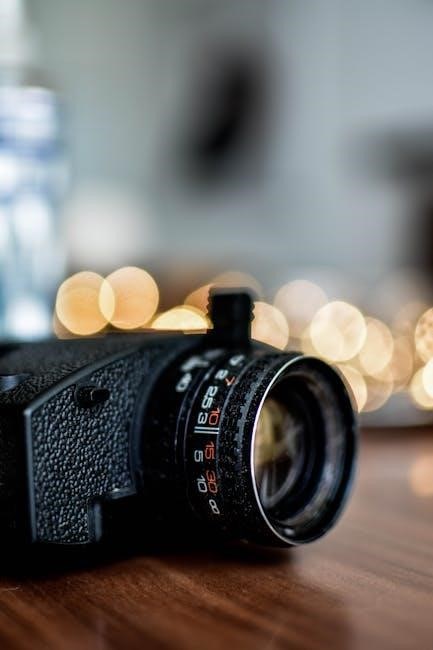
Nikon F lenses showcase a fascinating evolution, starting with non-AI designs and transitioning to the improved AI and AI-S standards for enhanced metering and functionality.
Adapting modern lenses presents unique challenges and opportunities.
Early Nikon Lenses (Non-AI)
The initial lenses designed for the Nikon F, often referred to as “non-AI” lenses, represent the beginning of a legendary optical lineage. These lenses predate the introduction of the Auto Indexing (AI) system in 1977 and require a different approach to metering with the Nikon F’s Photomic finders.
A key characteristic of these early lenses is the lack of a standardized aperture indexing tab. This means that the aperture ring doesn’t automatically communicate the f-stop to the camera’s metering system. Users often had to employ the “Nikon shuffle” – manually rotating the aperture ring until the correct f-stop appeared in the viewfinder.
These lenses, while requiring a bit more user interaction, are often highly regarded for their optical qualities. Many collectors and photographers actively seek out these vintage lenses for their unique rendering and build quality. Common examples include the 50mm f/1.4 and various telephoto options. Understanding their quirks is crucial for successful use on the Nikon F.
Transition to AI and AI-S Lenses
The introduction of AI (Auto Indexing) lenses in 1977 marked a significant evolution in Nikon’s lens system, greatly simplifying metering with the Nikon F and subsequent cameras. AI lenses feature a physical tab that automatically communicates the aperture setting to the camera’s meter, eliminating the need for the “Nikon shuffle” previously required with non-AI lenses.
This transition offered a more streamlined shooting experience, enhancing usability for photographers. Later, the AI-S (Auto Indexing – Superior) lenses were introduced, offering further refinements in optical design and build quality. These lenses are fully compatible with the Nikon F, providing accurate through-the-lens (TTL) metering when used with a compatible Photomic finder.
While older non-AI lenses can still be used with adapters, the AI and AI-S lenses represent a sweet spot for Nikon F users, offering a balance of classic Nikon quality and modern convenience.
Adapting Modern Lenses to the Nikon F
While the Nikon F is designed for classic Nikon lenses, adapters allow for the use of more modern optics, opening up a wider range of creative possibilities. However, adapting lenses requires careful consideration, as full functionality isn’t always guaranteed.
Adapters typically address the physical mounting differences and, in some cases, can enable aperture control; It’s crucial to select an adapter specifically designed for the Nikon F mount and the lens you intend to use. Be aware that autofocus and electronic features will generally not function with adapted lenses on the fully mechanical Nikon F.
Metering will rely on external metering or the photographer’s judgment. Adapting lenses can be a rewarding way to explore different optics, but it’s essential to understand the limitations and potential compromises involved.
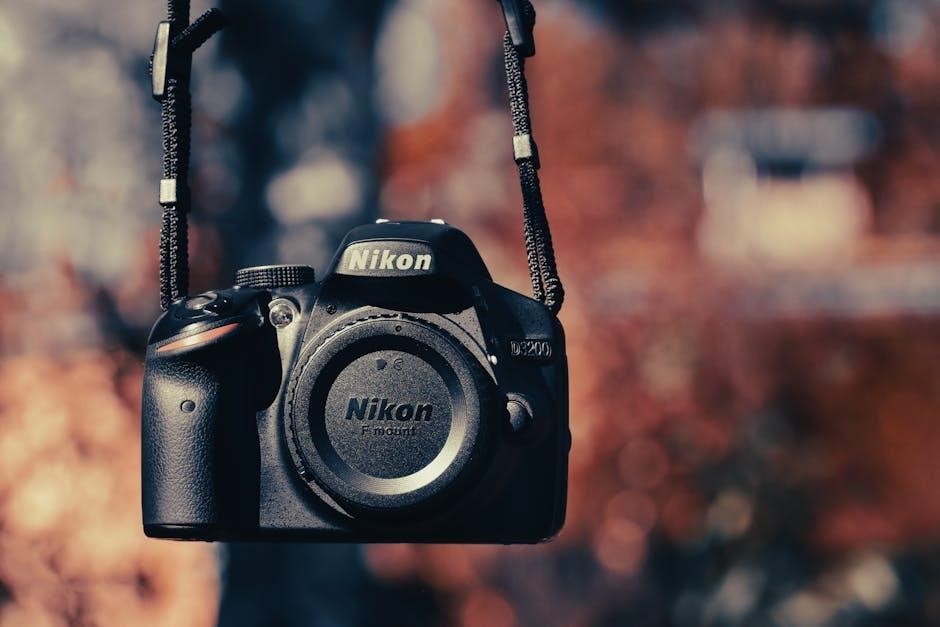
Metering and Exposure Control
The Nikon F primarily relies on external metering, or the optional Photomic finder for through-the-lens (TTL) metering, demanding a solid understanding of aperture and shutter speed relationships.
External Metering with the Nikon F
The Nikon F, lacking a built-in meter, necessitates the use of an external handheld light meter for accurate exposure determination. This approach, while requiring an additional step, offers photographers precise control and a deeper understanding of light.
Using a handheld meter involves taking a reading of the scene’s luminance, then manually setting the aperture and shutter speed on the Nikon F to achieve the desired exposure. This method encourages a more deliberate and thoughtful photographic process.
Consider the ISO setting on your film and the meter’s calibration for accurate results. Remember to account for factors like subject brightness and contrast when interpreting meter readings. Experienced photographers often employ the “sunny 16” rule as a starting point, adjusting from there based on their meter readings and creative intent. Mastering external metering unlocks the full potential of the Nikon F, allowing for consistently well-exposed images.
Using the Photomic Finder (if equipped)
The Photomic finder, an optional accessory for the Nikon F, integrates a center-weighted metering system into the viewfinder, significantly streamlining the exposure process. When mounted, it provides real-time exposure readings visible within the viewfinder itself.
To utilize the Photomic, ensure the meter is activated – typically via a lever on the finder’s body. Align the needle within the finder with the indicated exposure range for proper exposure. The “Nikon shuffle,” involving rotating both the aperture and shutter speed rings, is often necessary to achieve correct alignment, particularly with older non-AI lenses.
Be mindful of the Photomic’s battery; a weak battery will yield inaccurate readings. Regularly check the battery’s condition. While convenient, remember the Photomic’s meter is susceptible to inaccuracies with challenging lighting conditions, so cross-referencing with a handheld meter is always a prudent practice for critical shots.
Understanding Aperture and Shutter Speed
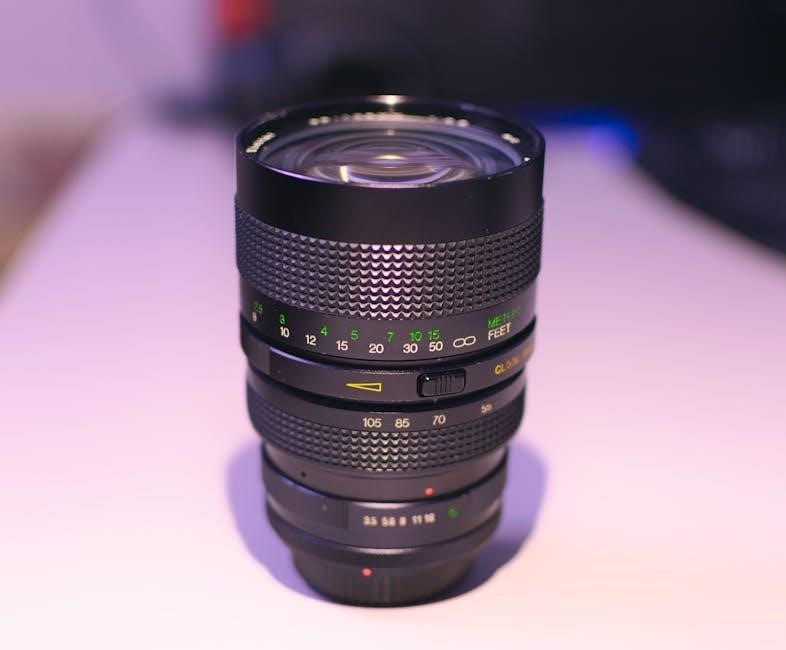
Aperture and shutter speed are the two fundamental controls governing exposure in the Nikon F. Aperture, controlled by the lens’s f-stop setting, dictates the size of the lens opening, influencing both light intake and depth of field. Lower f-numbers (e.g., f/1.4) allow more light and create shallow depth of field, while higher f-numbers (e.g., f/16) restrict light and yield greater depth of field.
Shutter speed, adjusted on the camera body, determines the duration the film is exposed to light. Faster shutter speeds (e.g., 1/1000s) freeze motion but require more light, while slower speeds (e.g., 1/30s) blur motion and necessitate a stable camera or tripod.
Mastering the interplay between these two settings is crucial. Correct exposure requires balancing aperture and shutter speed to achieve the desired brightness and artistic effect. Experimentation and practice are key to developing an intuitive understanding of their relationship.
Accessories for the Nikon F
Expanding the Nikon F’s functionality involves a range of accessories, including robust tripods, specialized filters like polarizers, and motor drives for continuous shooting capabilities.
Tripods and Support Systems
A sturdy tripod is arguably the most crucial accessory for maximizing the Nikon F’s potential, especially given its mechanical nature and the need for precise stability during long exposures. The camera’s weight and the lenses used dictate the required tripod robustness; heavier lenses necessitate heavier-duty support.
Consider tripods with adjustable heads – pan and tilt, or ball heads – to facilitate smooth and accurate framing. Look for models constructed from aluminum or carbon fiber, balancing weight, durability, and portability. Beyond standard tripods, specialized support systems like monopods can be beneficial for dynamic shooting situations where mobility is paramount.
Furthermore, a reliable quick-release plate simplifies camera mounting and dismounting, streamlining workflow. Don’t underestimate the value of a good tripod; it’s an investment that directly translates to sharper images and greater creative control with your Nikon F.
Filters: Polarizing and Neutral Density
Filters significantly expand the Nikon F’s creative possibilities, with polarizing and neutral density (ND) filters being particularly valuable. A circular polarizing filter reduces glare and reflections from non-metallic surfaces, enhancing color saturation and contrast – crucial for landscape photography. The Nikon brand circular polarizers are often preferred due to their thinner design, minimizing vignetting, especially with wider lenses.
Neutral density filters reduce the amount of light entering the lens, allowing for longer exposures in bright conditions, creating motion blur or reducing depth of field. They are essential when using slow film speeds or wide apertures in strong sunlight.
When selecting filters, ensure they are high-quality to avoid image degradation. Consider multi-coated filters to minimize flare and ghosting. Proper filter maintenance, including cleaning, is vital for optimal performance.
Motor Drives and Other Attachments
The Nikon F system offered a range of attachments to enhance functionality, notably motor drives for continuous shooting. The AU-1 drive unit, while somewhat elusive today, allowed for faster frame rates, beneficial for action or sequence photography. However, it’s known for potential focusing collar jamming with heavier lenses due to its design, requiring careful handling.
Other attachments included various focusing screens for different shooting preferences, and specialized backs for unique formats. The CU-1 drive unit was another option, though similar design considerations applied.
When utilizing these attachments, ensure compatibility with your specific Nikon F model and lens combination. Proper installation and maintenance are crucial for reliable operation. These additions transformed the Nikon F into a versatile tool for professional photographers.