Fur Elise Sheet Music PDF with Letters: A Comprehensive Guide
Beethoven’s iconic Für Elise is readily available as a PDF with letter notations, simplifying learning for beginners․ Numerous online resources offer complete versions,
going beyond the famous opening, with clear note labels and fingerings․
Understanding the Popularity of Fur Elise
Für Elise’s enduring appeal stems from its captivating melody and relatively accessible structure, making it a cornerstone of beginner piano repertoire․ The piece, formally titled Bagatelle No․ 25 in A minor (WoO 59), transcends generations, frequently appearing in popular culture and serving as an introductory piece for aspiring pianists․
The availability of Für Elise sheet music in PDF format with letter notations significantly contributes to its popularity․ These simplified versions remove the initial barrier of reading traditional musical notation, allowing individuals with no prior training to begin learning the piece․ The lettered notes directly correspond to the piano keys, fostering a quicker understanding of melody and harmony․
Furthermore, the piece’s emotional resonance, despite its brevity, connects with listeners on a profound level․ The melancholic yet hopeful character of the A minor key, combined with the lyrical phrasing, evokes a sense of nostalgia and longing․ The widespread accessibility of free and paid PDF versions, often including finger numbers, further democratizes the learning process, ensuring Für Elise remains a beloved and frequently performed piece worldwide․ The complete versions, readily found on sites like IMSLP, offer a deeper musical experience beyond the recognizable opening bars․
The Complete Fur Elise: Beyond the Recognizable Opening
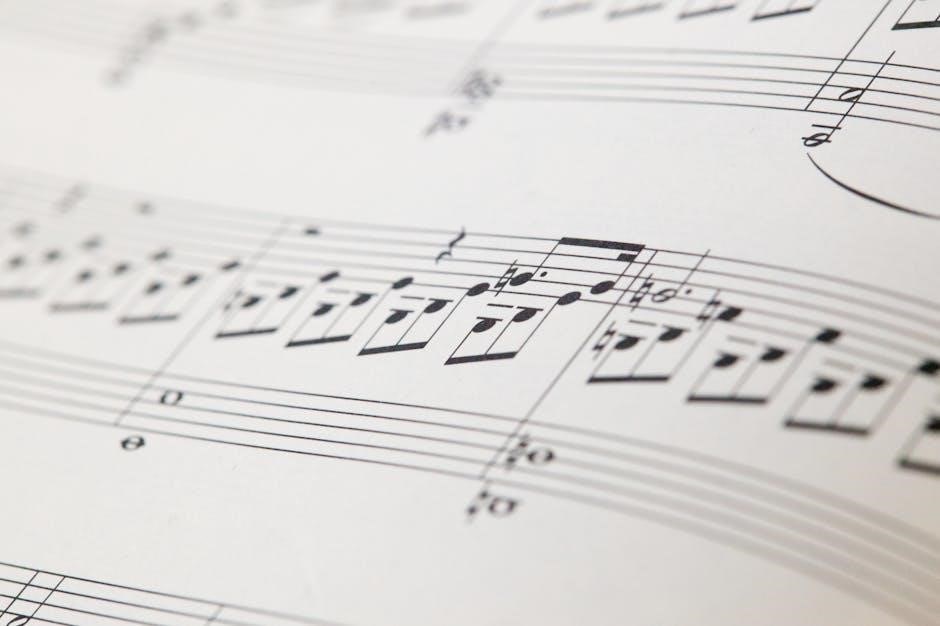
While the initial arpeggiated section of Für Elise is universally known, the complete piece extends far beyond those iconic measures․ Many learners, initially drawn in by the famous opening, are surprised to discover a more complex and nuanced composition․ The full version features contrasting sections – a lively, almost playful B section in a major key, followed by a return to the melancholic A minor, and concluding with a dramatic, passionate coda․
Accessing the complete Für Elise sheet music in PDF format with letters is crucial for a comprehensive understanding of the piece․ Simplified versions often focus solely on the opening, neglecting the musical development and emotional depth present in the entirety of Beethoven’s work․
Resources like IMSLP provide authentic, complete scores․ PDF versions with lettered notes allow beginners to navigate these more challenging sections, gradually building their skills and musicality․ Understanding the complete structure reveals Beethoven’s compositional genius, showcasing his ability to create a captivating narrative within a relatively short piece․ Exploring beyond the opening unlocks a richer, more rewarding musical experience, transforming a familiar tune into a profound artistic statement․
Where to Find Authentic Fur Elise Sheet Music
Locating authentic Für Elise sheet music is paramount for accurate learning and performance․ Several reputable online sources offer reliable scores, often available as PDF downloads․ IMSLP (International Music Score Library Project) stands out as a premier resource, providing public domain scores directly from original editions, ensuring fidelity to Beethoven’s intentions․
Beyond IMSLP, numerous websites specialize in piano sheet music, many offering Für Elise with lettered notes for beginners․ However, caution is advised; some sources may contain inaccuracies or poorly transcribed versions․ Always prioritize sites known for quality and accuracy․ Look for scores that clearly indicate the composer and source material․
When searching for Für Elise sheet music PDF with letters, consider both free and paid options․ While free resources can be helpful, paid versions often offer higher-quality scans, cleaner layouts, and additional features like fingerings or dynamic markings․ Verify the completeness of the score – ensure it includes all sections beyond the famous opening measures․ A trustworthy source will provide a full and accurate representation of Beethoven’s masterpiece․
IMSLP (International Music Score Library Project) as a Resource
IMSLP (International Music Score Library Project) is an invaluable, free resource for musicians seeking authentic Für Elise sheet music․ As a repository of public domain scores, IMSLP offers multiple editions of Beethoven’s work, allowing comparison and selection based on preference․ You can readily find a PDF version of Für Elise, often scanned from original manuscripts or early printed editions․
While IMSLP doesn’t inherently provide sheet music with letters directly embedded, the clear notation allows for easy annotation․ Users frequently add their own letter markings to downloaded PDFs for learning purposes․ The site’s strength lies in its accuracy and commitment to providing original scores, minimizing the risk of encountering errors found on less reputable websites․
Navigating IMSLP is straightforward․ A simple search for “Für Elise” yields various arrangements and editions․ Review the score preview before downloading to ensure it meets your needs․ Remember to respect copyright laws and utilize IMSLP’s resources responsibly․ It’s a cornerstone for anyone serious about learning Für Elise from a reliable source, even if requiring self-application of lettered notes․
Sheet Music with Letters: Benefits for Beginners
Für Elise sheet music with letters offers a significant advantage for novice piano players․ Traditional sheet music relies on note reading proficiency, which can be a steep initial hurdle․ Lettered notation – assigning A, B, C, etc․, to each key – bypasses this, allowing beginners to focus on finger placement and rhythm from the outset․
This method accelerates the learning process, fostering a quicker connection between the visual representation of the music and the physical act of playing․ PDF versions with letters are widely available, providing convenient access and portability․ The visual cue of the letter directly on the note eliminates the mental translation step required with standard notation․
Furthermore, lettered sheet music builds confidence․ Successfully playing recognizable sections of Für Elise early on motivates continued practice․ While ultimately transitioning to standard notation is recommended, lettered scores serve as an excellent stepping stone․ They empower beginners to experience the joy of music-making without being immediately overwhelmed by complex musical theory․ It’s a practical and effective learning tool․
Decoding Note Letters in Fur Elise Sheet Music
Decoding note letters within Für Elise sheet music is straightforward, but understanding the system is crucial; Each letter corresponds to a specific key on the piano: A, B, C, D, E, F, and G․ Sharps (#) are indicated by adding “#” after the letter (e․g․, C#), and flats (♭) by “♭” (e․g․, Eb)․ These alterations signify keys one half-step higher or lower, respectively․
When encountering a letter above or below the staff in a PDF version, it directly indicates the key to press․ Pay close attention to the placement; letters positioned higher generally represent higher notes․ Familiarize yourself with the piano keyboard layout to correlate the letters with their physical locations․
Initially, focus on identifying the main melody notes․ Für Elise frequently utilizes E, D#, and E in its iconic opening․ Consistent practice associating these letters with their corresponding keys will build muscle memory and improve reading speed․ Remember that the letter notation simplifies the process, allowing you to bypass traditional note reading and concentrate on rhythm and musicality․
Fur Elise Sheet Music PDF: Advantages of Digital Format
Fur Elise sheet music in PDF format offers numerous advantages over traditional printed copies․ Accessibility is paramount; PDFs can be instantly downloaded and viewed on various devices – computers, tablets, and smartphones – allowing practice anywhere․ Zoom functionality is invaluable, enabling closer inspection of intricate passages or letter notations, particularly beneficial for beginners․
Digital copies eliminate the risk of page damage or loss, a common concern with physical sheet music․ Furthermore, PDFs often include interactive features like playback options, allowing you to hear the correct tempo and phrasing․ Printing is convenient, offering control over paper size and quality․ Many PDFs with letters are readily available for free or at a low cost․
The portability of Fur Elise sheet music PDFs is a significant benefit for musicians on the go․ Digital storage also saves space, and searching within the document for specific sections is quick and easy․ This format is ideal for sharing with teachers or fellow musicians, fostering collaborative learning․
Free vs․ Paid Sheet Music Options
When seeking Fur Elise sheet music PDF with letters, a spectrum of options exists, ranging from free resources to paid arrangements․ IMSLP (International Music Score Library Project) is a prominent source for free, public domain sheet music, including Beethoven’s works․ However, free versions may sometimes lack detailed fingerings or dynamic markings․
Paid sheet music, available from online retailers or music stores, often provides higher-quality arrangements․ These typically include accurate fingerings, detailed articulation, and potentially, pedagogical notes to aid learning․ The clarity of letter notations and overall presentation are generally superior in paid versions․
Consider your skill level and learning needs when choosing․ Beginners might benefit from the added guidance of a paid arrangement, while more experienced pianists may find a free version sufficient․ Always preview the sheet music before purchasing to ensure it meets your expectations regarding notation style and completeness․
Ultimately, the best option depends on your budget and desired level of detail․ Both free and paid resources can effectively support your journey in learning Fur Elise․
Sheet Music with Finger Numbers: Aiding Learning
Fur Elise sheet music PDF with letters becomes even more accessible when accompanied by finger numbers․ These notations, placed above or below the notes, indicate the suggested finger to use for each key, significantly simplifying the learning process, especially for beginners․ Finding versions with finger numbers is a common request, as evidenced by online forum discussions․
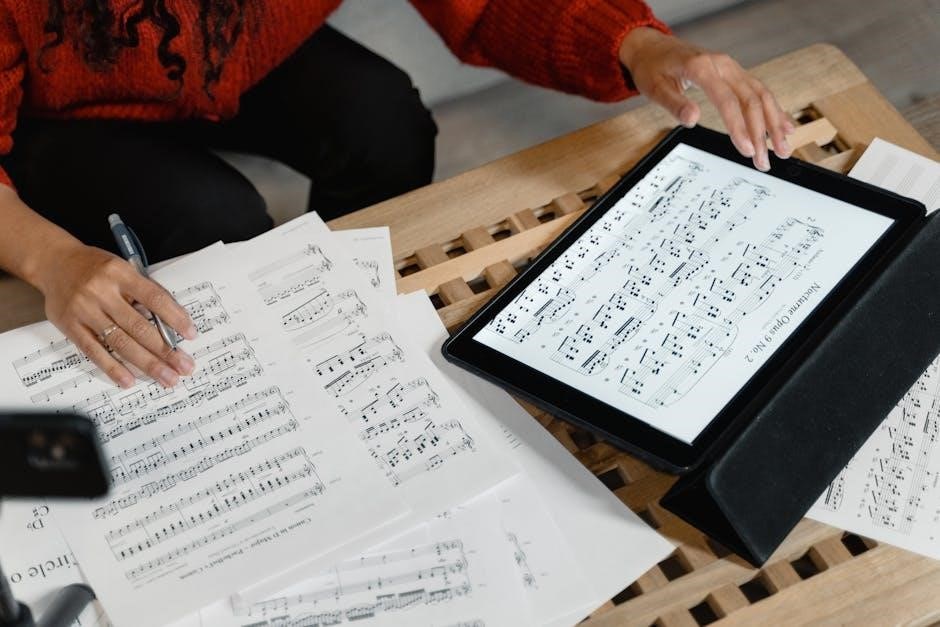
Finger numbers eliminate guesswork and promote efficient hand positioning, reducing the initial frustration often associated with learning piano․ They guide students towards optimal technique, fostering good habits from the start․ While personal preferences and hand size may necessitate adjustments, finger numbers provide a solid foundation․
Several websites offer Fur Elise arrangements specifically designed with finger numbers․ These are particularly helpful for self-taught pianists or those without a teacher․
However, it’s crucial to remember that finger numbers are suggestions, not rigid rules․ As your skills develop, you may find alternative fingerings more comfortable or musically expressive․ Use them as a learning tool, but don’t be afraid to experiment and personalize your approach․
Understanding Dynamics and Articulation in Fur Elise
Fur Elise sheet music PDF with letters often includes markings for dynamics and articulation, crucial for conveying the emotional depth of Beethoven’s composition․ Dynamics, indicated by symbols like p (piano – soft) and f (forte – loud), dictate the volume of each passage․ Paying attention to these nuances is vital for a nuanced performance․
Articulation markings, such as staccato (short, detached notes) and legato (smooth, connected notes), shape the character of the melody․ These symbols, frequently present in authentic sheet music, instruct the pianist on how to play each note․ Ignoring them results in a flat, lifeless rendition․
Many Fur Elise PDFs, especially those aiming for accuracy, incorporate these markings․ Beginners should diligently study them, understanding how they impact the overall sound․
Furthermore, observing the gradual dynamic changes – crescendos (gradually louder) and diminuendos (gradually softer) – adds expressive color․ Mastering these elements transforms Fur Elise from a simple melody into a captivating musical experience․
Navigating the Different Sections of Fur Elise
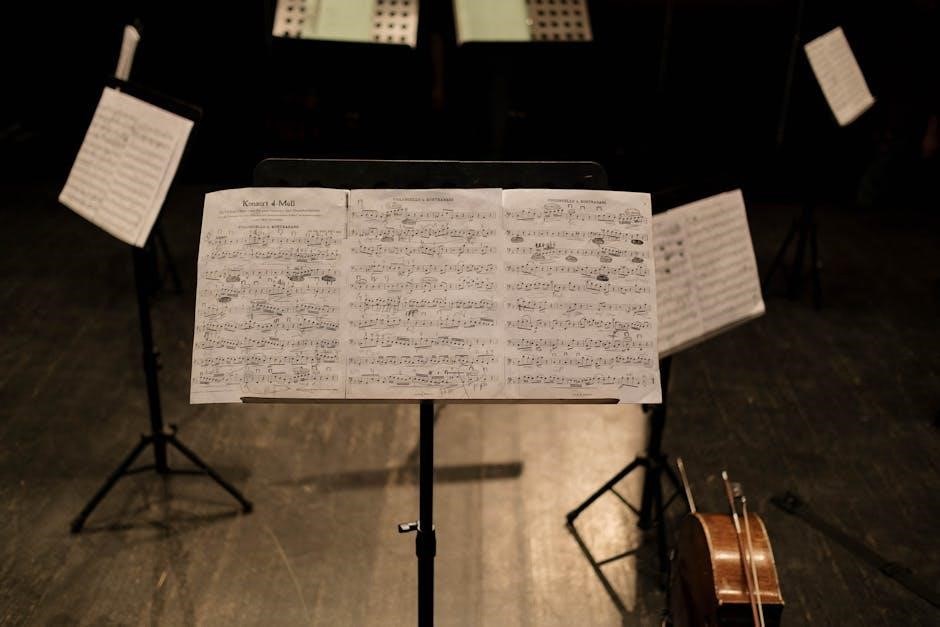
Fur Elise sheet music PDF with letters reveals a structure beyond the instantly recognizable A section․ The piece comprises distinct sections – A, B, C, and a return to A – each with unique melodic and harmonic characteristics․ Understanding this layout is key to a successful performance․
The initial A section, often the only part known by casual listeners, establishes the primary theme․ The B section introduces a contrasting, more lyrical melody, typically in a major key․ The C section presents a dramatic shift, often featuring quicker passages and increased dynamic range․
When using a Fur Elise PDF, pay attention to repeat signs and section markings․ These guide you through the piece’s form․ Many PDFs clearly delineate these sections, aiding in memorization and interpretation․
Successfully navigating these sections requires practice and familiarity with the score․ Beginners should focus on mastering each section individually before attempting to play the entire piece․
Recognizing the transitions between sections enhances musicality and allows for a more expressive performance of Beethoven’s masterpiece․
The Original Version vs․ Simplified Arrangements
When exploring Fur Elise sheet music PDF with letters, you’ll encounter both the original Beethoven composition and numerous simplified arrangements․ The original version, while beautiful, presents significant technical challenges, particularly for beginners․ Simplified arrangements aim to make the piece more accessible․
These arrangements often reduce the complexity of the chords, simplify the rhythms, and omit some of the more intricate ornamentation․ While helpful for initial learning, they may sacrifice some of the nuance and depth of the original․
PDF versions of simplified arrangements frequently include lettered notes and finger numbers, further aiding beginners․ However, it’s crucial to eventually transition to the original score to fully appreciate Beethoven’s artistry․
Comparing the original and simplified versions highlights the changes made for accessibility․ Understanding these differences fosters a deeper appreciation for the composer’s intent and the challenges of performing the piece authentically․
Ultimately, the choice between the original and a simplified arrangement depends on your skill level and musical goals․ Both versions offer a rewarding experience, but the original provides a more complete musical journey․
Learning Fur Elise: Beginner Tutorials and Resources
Numerous online resources cater to beginners eager to learn Fur Elise, complementing sheet music PDF with letters․ YouTube is a treasure trove of tutorials, offering step-by-step guidance, slow-motion demonstrations, and explanations of challenging sections․ Many instructors focus on breaking down the piece into manageable parts․
Websites dedicated to piano learning often provide interactive lessons and exercises specifically designed for Fur Elise․ These resources frequently utilize the lettered note system found in many PDF versions, making it easier to correlate the notes on the page with the keys on the piano․
Online piano learning platforms offer structured courses that include Fur Elise in their repertoire․ These platforms often provide personalized feedback and progress tracking․

Don’t underestimate the value of free resources like IMSLP, which provides the original score, allowing you to compare with lettered versions․ Utilizing a combination of PDF sheet music, video tutorials, and interactive lessons will accelerate your learning process․
Remember to practice consistently and focus on accuracy before speed․ With dedication and the right resources, mastering Fur Elise is achievable for beginners․
Common Challenges When Learning Fur Elise

Despite the accessibility of Fur Elise sheet music PDF with letters, several challenges commonly arise for learners․ The piece’s dynamic range, shifting between delicate passages and more forceful sections, requires careful control and practice․ Maintaining consistent tempo throughout can also be tricky, especially during transitions․
Beginners often struggle with the arpeggiated figures, demanding coordination between both hands․ Accurately reading and interpreting the lettered notes, while helpful, can sometimes lead to reliance on the letters rather than developing a strong understanding of musical notation․
The middle section of Fur Elise presents a harmonic and rhythmic complexity that differs significantly from the iconic opening․ Successfully navigating this section requires focused attention and diligent practice․
Finger placement, even with sheet music including finger numbers, can be awkward initially․ Developing proper hand position and technique is crucial to avoid strain and ensure fluidity․
Finally, mastering the nuances of articulation and phrasing – bringing the music to life – demands musicality and a sensitive ear․ Patience and consistent effort are key to overcoming these hurdles․
Printing Fur Elise Sheet Music: PDF Settings and Considerations
When printing Fur Elise sheet music PDF with letters, careful attention to settings ensures readability and usability․ Selecting “Fit to Page” can sometimes compress the notation, making letter labels and notes appear crowded․ Instead, opt for a scaling option around 90-95% to maintain clarity․
PDF viewers offer various print quality settings․ Choose a higher DPI (dots per inch) – 300 DPI is recommended – for sharper lines and more defined letter notations․ This is particularly important for detailed fingerings if included․
Paper quality matters․ Standard printer paper is sufficient for practice, but heavier weight paper will prevent bleed-through if you intend to mark the sheet music extensively․
Consider printing in landscape orientation, especially if the PDF is formatted that way․ This can prevent awkward page turns during playing․ Double-sided printing saves paper, but ensure the binding doesn’t obscure any crucial notation․
Always do a test print of a single page before printing the entire score to verify the settings and ensure the letter notations are legible․ Adjust as needed for optimal results․