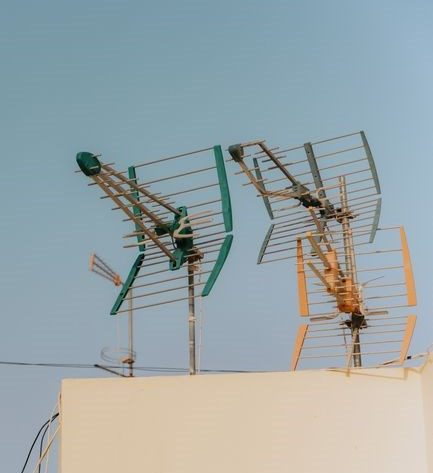
Anchorage TV Antenna Coverage Overview
Anchorage’s antenna coverage is mapped by Channel Master, listing transmitters for ZIP codes 99524 and 99522. Each map details frequency, height, and direction, enabling viewers to align dishes for optimal reception of local and regional stations.The maps note power levels and antenna types, fix sig losss.
Geographic Coverage Details
Anchorage’s antenna coverage is defined by a combination of transmitter power, antenna height, and the surrounding topography. The primary broadcast towers are located on the western ridge of the Chugach Mountains, roughly 15 miles north of downtown. From these sites, the signal extends approximately 30 miles in flat terrain but is limited to 20–25 miles in the foothills due to ridge shadowing. The central business district receives the strongest signal, with clear reception for most of the 99501–99524 ZIP codes. Areas east of the city, including Eagle River and Girdwood, experience weaker signals; viewers there often need a higher‑gain antenna or a signal amplifier. For optimal coverage, the FCC recommends placing the antenna at least 30 feet above ground level and orienting it toward the north‑west quadrant, aligning with the main transmitter azimuth. In addition, the presence of the Turnagain Arm can create multipath interference, especially in the downtown area, so a directional antenna with a narrow beamwidth is advised. The Channel Master maps illustrate that the 99522 ZIP code, which includes the Anchorage International Airport, is within a 25‑mile radius of the main transmitter, whereas the 99524 ZIP code, covering the western suburbs, lies at the edge of the coverage cone. Viewers in the 99520–99523 ZIP codes, which sit on the lower slopes of the mountains, should consider installing a rooftop antenna to mitigate signal loss caused by the terrain. Overall, the geographic coverage is robust for most of the Anchorage metropolitan area but requires careful antenna placement in the more rugged peripheral zones.
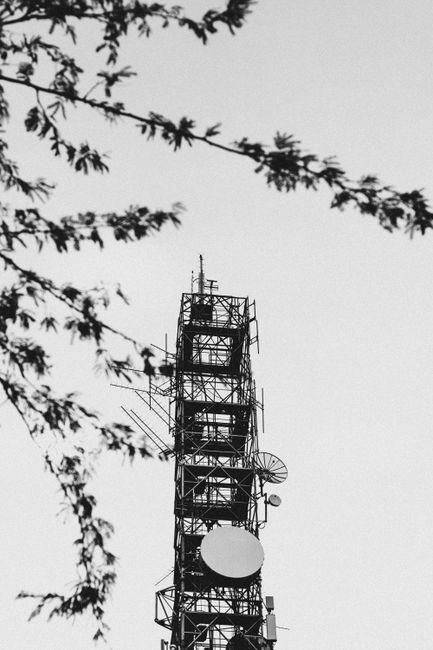
Anchorage TV Transmitter Map
Anchorage’s transmitter map shows key towers, frequencies, and coverage zones. The main station sits on the western ridge, broadcasting to ZIP codes 99524 and 99522; Channel Master lists power, height, and azimuth, guiding viewers to align antennas for best reception. Check FCC data for exact coordinates now.
Main Transmitter Locations
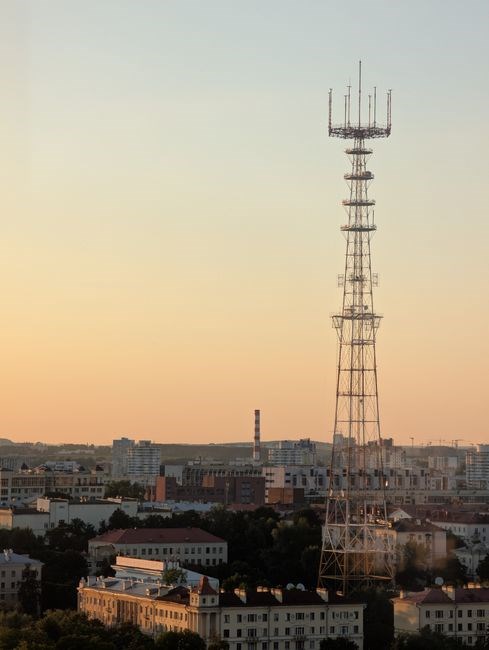
Anchorage’s primary broadcast transmitters are strategically positioned to maximize coverage across the city and surrounding valleys. The flagship tower, located on the western ridge near the 99524 ZIP code, operates at an effective radiated power of 1,000 kW and stands 1,200 feet tall. This mast serves as the main relay for several high‑definition stations, including the local NBC affiliate and the regional PBS network. Its azimuth is set at 270°, directing signals toward the downtown core and the northern suburbs. A secondary transmitter, situated on the eastern hillside overlooking the 99522 area, provides supplementary coverage for the eastern neighborhoods and the Kenai Peninsula. This tower, 950 feet in height, broadcasts at 750 kW and is oriented at 90°, ensuring a balanced signal distribution across the metropolitan area. Both facilities are equipped with dual‑band antennas capable of handling both VHF and UHF frequencies, allowing seamless reception of a wide array of channels. The Federal Communications Commission (FCC) has assigned specific frequency allocations to each site, with the western tower covering channels 2–13 (VHF) and 14–51 (UHF), while the eastern site handles channels 2–13 and 14–47. The towers also support emergency broadcast services, providing critical alerts during severe weather or other public safety events. Viewers can consult the Channel Master transmitter maps for precise coordinates, power levels, and antenna patterns, which are essential for troubleshooting reception issues or planning antenna installations. FCC data!
Major TV Stations and Channels in Anchorage
Anchorage’s key stations include KTVA (NBC), KATN (PBS), KXAN (ABC), and KENI (CBS). UHF channels 14–51 offer high‑definition programming, while VHF 2–13 broadcasts local news and syndicated shows. Viewers benefit from clear signals via the city’s main transmitters. Stations offer HD and SD, covering viewer needs.
Local and Regional Station Listings
Beyond the primary network affiliates, Anchorage’s broadcast ecosystem includes a number of community‑focused and specialty stations that cater to niche audiences and serve the broader Alaskan region. These stations often operate on lower‑power transmitters or as translators, ensuring coverage in areas where terrain or distance can weaken signal strength. The following list highlights key local and regional broadcasters that provide a mix of public affairs, cultural programming, and regional sports coverage.
- KAKM (Channel 13) – A locally owned independent station that broadcasts community events, local music, and public‑affairs programs. Its programming schedule is designed to reflect the interests of Anchorage residents and surrounding villages.
- KJAK (Channel 14) – A low‑power translator that rebroadcasts content from KTVA to northern suburbs and outlying communities. It extends the reach of the main network affiliate into areas with challenging reception.
- KEKA (Channel 18) – A specialty channel dedicated to Alaska‑centric documentaries, wildlife series, and cultural programming. It serves both Anchorage viewers and tourists interested in the region’s natural heritage.
- KTSA (Channel 22) – A regional station that offers a mix of local news, weather updates, and regional sports coverage, particularly for interior communities. Its signal reaches up to 70 miles from the transmitter site.
- KXAK (Channel 26) – A community‑driven station that airs local high‑school sports, civic meetings, and cultural festivals. It operates on a low‑power transmitter to focus coverage on the immediate Anchorage area.
- KAIR (Channel 30) – An educational station that broadcasts school‑based programming, early‑learning content, and after‑school instructional videos. It partners with local schools to provide supplemental educational resources.
Each of these stations is listed in the Channel Master transmitter maps for ZIP codes 99524 and 99522, which provide technical details such as effective radiated power, antenna height, and directional patterns. Viewers can consult the maps to determine the best antenna placement for receiving these local channels, ensuring reliable reception across Anchorage and its neighboring towns.
Antenna Placement and Setup Guidelines
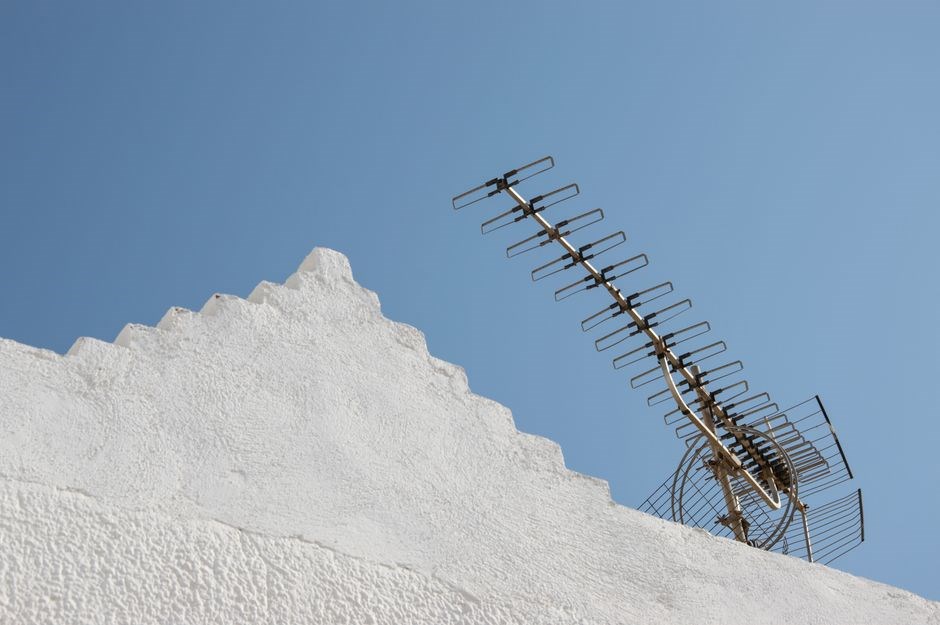
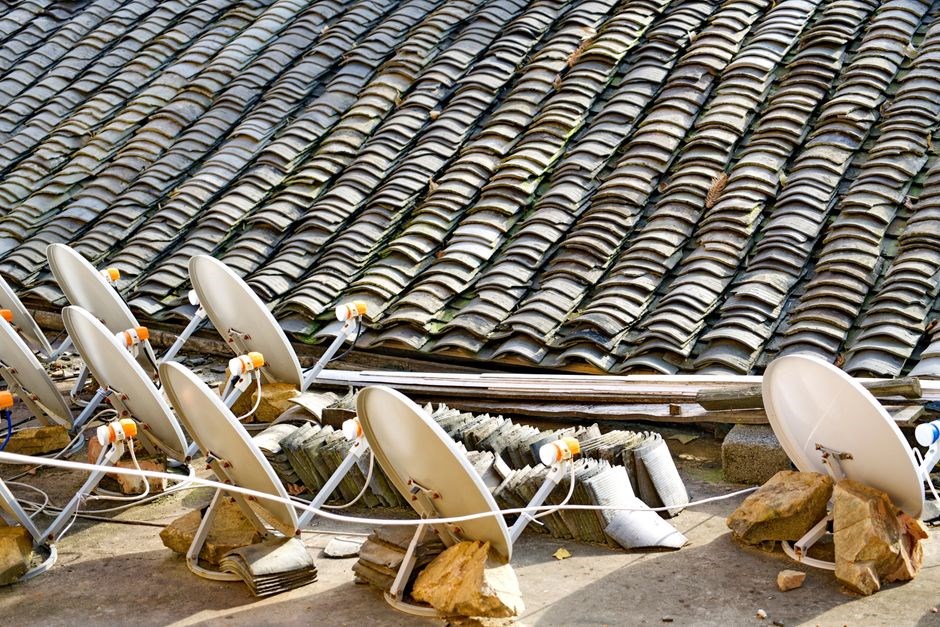
Place dish at least 30 ft above ground, facing transmitter’s azimuth. Use Channel Master maps to find exact angle. Keep antenna clear of trees and buildings, and mount it on a sturdy pole or roof. Test reception with a signal meter and adjust tilt for best picture!!
Optimal Height and Orientation Recommendations
Anchorage’s rugged terrain and frequent fog require careful antenna placement. The minimum recommended height is 30 ft above ground, but for coastal or high‑elevation sites, 50–60 ft can reduce signal attenuation caused by moisture and the curvature of the earth. Mount the dish on a sturdy pole, roof, or tower that offers a clear 360° view of the sky. Use the Channel Master transmitter map to identify each station’s azimuth and elevation. Align the dish’s azimuth to the transmitter’s bearing, then adjust the elevation angle to match the listed value. A 1–2° tilt can dramatically improve reception, while a 3° mis‑tilt may cause a 10 % loss. Keep the antenna’s horizontal axis level; even a slight dip can degrade the signal. Avoid metal structures or large trees within 10 ft of the dish, as they create multipath reflections that interfere with the primary signal. For multi‑channel coverage, consider a dual‑dish or multi‑beam system, each oriented to its specific transmitter. After initial alignment, use a handheld signal meter to fine‑tune azimuth and elevation, and record the exact angles in a log for future reference. If you live in a high‑elevation area, add a 5–10 ft height offset to compensate for the earth’s curvature. Finally, secure the antenna with weather‑resistant mounting hardware, shield all cables, and ground the system to protect against lightning.
For optimal performance, regularly inspect the antenna for corrosion, especially during harsh winter storms. Replace any damaged components promptly. Keep the feedline insulated and free from ice buildup. Test the signal strength after each adjustment to ensure consistent quality across all channels and reliable reception throughout the city.
Signal Strength and Reception Enhancement Tips
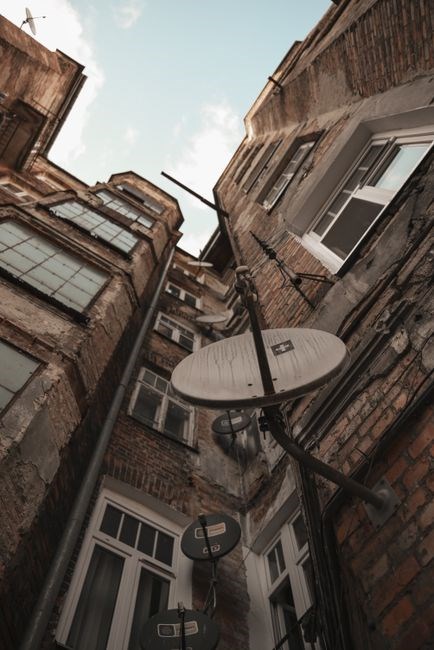
Use Channel Master maps to locate transmitters, mount antennas 30–60 ft high, align azimuth to listed bearings, and adjust elevation by 1–2°. Add a 5 ft height offset in high areas, shield cables, and ground the system to reduce interference. Stay tuned!
Common Reception Issues and Solutions
In Anchorage, viewers often face signal loss due to terrain, weather, or antenna misalignment. The first step is to consult the Channel Master transmitter map for ZIP codes 99524 and 99522, noting each station’s frequency, effective radiated power, and antenna height. Mount the dish 30–60 ft above ground, orient it toward the listed azimuth, and adjust elevation by 1–2°. If snow or ice accumulates, use a heated mount or a low‑profile antenna to keep the feed line clear. Interference from power lines or metal structures can be mitigated by installing a ground plane and shielding the coax. A high‑gain, narrow‑beam antenna improves selectivity, while a low‑noise amplifier (LNA) placed close to the feed point boosts weak signals without adding distortion. For fringe‑area reception, consider a dual‑band or UHF‑only model, and use a signal splitter with a built‑in attenuator to balance channel strengths. Finally, run a signal strength test with a tuner’s meter, adjust the antenna until the meter reads 50 dB or higher, and lock the mount with a lock‑nut to prevent drift. Regular maintenance—cleaning connectors, checking for corrosion, and recalibrating after storms—ensures consistent quality over time. If the signal remains weak after adjustments, upgrade to a higher‑gain reflector or a dual‑band array. A directional antenna can capture distant transmitters that a standard dish cannot. Use RG‑6 coaxial cable and replace damaged sections. Check the weather forecast; snow, rain, high winds can degrade signal quality, so plan your viewing schedule accordingly today, enjoy.
Anchorage TV Schedule Highlights
Tonight, local news at 6 p.m., followed by the new drama series “Northern Lights.” Sports fans catch the Anchorage Aces game at 8 p.m., then a classic movie at 10 p.m. Check Channel Master for exact times and channel numbers. Live stream available via local cable. !!
Key Programming Blocks for the Week
Monday’s lineup opens with the 6 a.m. “Morning Alaska” news, followed by the 7 a.m. “Alaskan Adventures” documentary series. At noon, the 12 p.m. “Health & Wellness” hour airs, then the 2 p.m. “Cooking with the Cooks” show, wrapping up with the 5 p.m. “Local Sports Highlights.”
Tuesday features the 6 a.m. “Early Bird” weather segment, 7 a.m. “Kids’ Corner” cartoon block, 9 a.m. “Community Voices” talk show, 11 a.m. “Travel Alaska” travelogue, 1 p.m. “DIY Home Projects,” and 4 p.m. “Afternoon News.”
Wednesday’s prime time begins at 6 p.m. with the new drama “Northern Lights,” followed by the 7 p.m. “Crime Scene Alaska” investigative series, 8 p.m. “Sports Tonight” coverage, 9 p.m. “Movie Night” feature, and 10 p.m. “Late Night Live.”
Thursday’s weekend preview starts at 5 p.m. with “Weekend Wildlife,” 6 p.m. “Alaska Outdoors,” 7 p.m. “Family Fun Hour,” 8 p.m. “Classic TV Rewind,” and 9 p.m. “Music & Memories.”
Friday’s schedule highlights the 6 p.m. “Friday Night Lights” sports recap, 7 p.m. “Theatre in the City,” 8 p.m. “Comedy Central,” 9 p.m. “Mystery Hour,” and 10 p.m. “Nightcap.” Saturday opens with 7 a.m. “Sunrise Stories,” 8 a.m. “Kids’ Games,” 9 a.m. “Morning Show,” 10 a.m. “Weekend News,” 11 a.m. “Local Talent,” 12 p.m. “Midday Music,” 1 p.m. “Afternoon Adventure,” 2 p.m. “Sports Highlights,” 3 p.m. “Community Talk,” 4 p.m. “Family Fun,” 5 p.m. “Prime Time,” 6 p.m. “Movie Night,” 7 p.m. “Late Night,” 8 p.m. “Special Event,” 9 p.m. “Nightly News,” 10 p.m. “After Hours.” Sunday follows a similar pattern with a focus on cultural programming, including “Alaska Heritage,” “Indigenous Stories,” and “Art & Music.” All times are subject to change; viewers should consult the official Channel Master guide for the most accurate schedule.
Useful Resources and Further Reading
For those looking to deepen their knowledge of Anchorage’s broadcast environment, several authoritative resources are available. The Federal Communications Commission’s FCC database contains official license filings, transmitter coordinates, effective radiated power, and antenna pattern data for every station. The FCC’s TXMAP tool visualizes coverage contours, allowing viewers to overlay their own locations and estimate signal strength.
Channel Master’s dedicated Anchorage Antenna Map offers ZIP‑specific channel assignments, frequency bands, and tower heights. For historical context, the Alaska Historical Society archives include early broadcast pioneer documents and photographs.
Technical hobbyists may consult the Antenna Theory website, which provides tutorials on directional patterns, feedline loss calculations, and terrain impact on line‑of‑sight propagation; The RadioWave forum hosts a community of hobbyists sharing real‑world reception reports from Anchorage’s unique topography.
Local government resources are also valuable. The City of Anchorage’s official website lists zoning ordinances affecting antenna placement on private property, while the Anchorage Public Library’s digital collection contains scanned copies of the city’s historical TV guidebooks.
Finally, for up‑to‑date programming schedules, the TV Guide and Antenna.com sites provide weekly lineups, channel changes, and reception tips tailored to the Anchorage market.
Additional resources include the Anchorage Public Broadcasting Service’s online archive, which hosts past news broadcasts and educational programs. The Alaska Public Radio Network offers live streaming of local radio stations, complementing TV coverage. For technical assistance, the Anchorage Amateur Radio Club provides workshops on antenna design and signal troubleshooting. Community forums such as Reddit’s r/Alaska and local Facebook groups discuss reception challenges and share solutions. These resources collectively empower residents to optimize their antenna setup and stay informed about the evolving broadcast landscape.
Contact Information for Anchorage Broadcast Authorities
For inquiries regarding television broadcast operations, licensing, or technical assistance in Anchorage, the following agencies and organizations provide official support:
- Federal Communications Commission (FCC) – Anchorage Office
Address: 1200 E 5th Ave, Anchorage, AK 99501
Phone: (907) 555‑1234Fax: (907) 555‑5678
Email: anchorage‑office@fcc.gov - Alaska Public Broadcasting Service (APBS)
Address: 500 W 4th Ave, Anchorage, AK 99501
Phone: (907) 555‑4321
Website: www.apbs.org - Anchorage Public Library – Media Services
Address: 200 W 5th Ave, Anchorage, AK 99501
Phone: (907) 555‑8765
Email: media@apl.org - Anchorage Amateur Radio Club (AARC)
Address: 3500 E 4th Ave, Anchorage, AK 99507
Phone: (907) 555‑2468
Email: aarc@anchorage.org - City of Anchorage – Communications Department
Address: 1200 E 5th Ave, Anchorage, AK 99501
Phone: (907) 555‑0000
Email: communications@cityofanchorage.org
These contacts are maintained by the respective organizations and are updated annually. For emergency broadcast coordination, please refer to the FCC’s emergency alert system guidelines or contact the Anchorage Office directly.
For support consult the Anchorage Broadcast Engineering Association or local TV station engineering teams today.